From picking rags to staying out of parks, Delhi kids tell panel what needs to change
Children from marginalized backgrounds in Delhi recently shared their lived experiences and hardships before an official panel. Their testimonials highlighted issues ranging from informal rag picking to restricted access to basic community spaces like public parks.
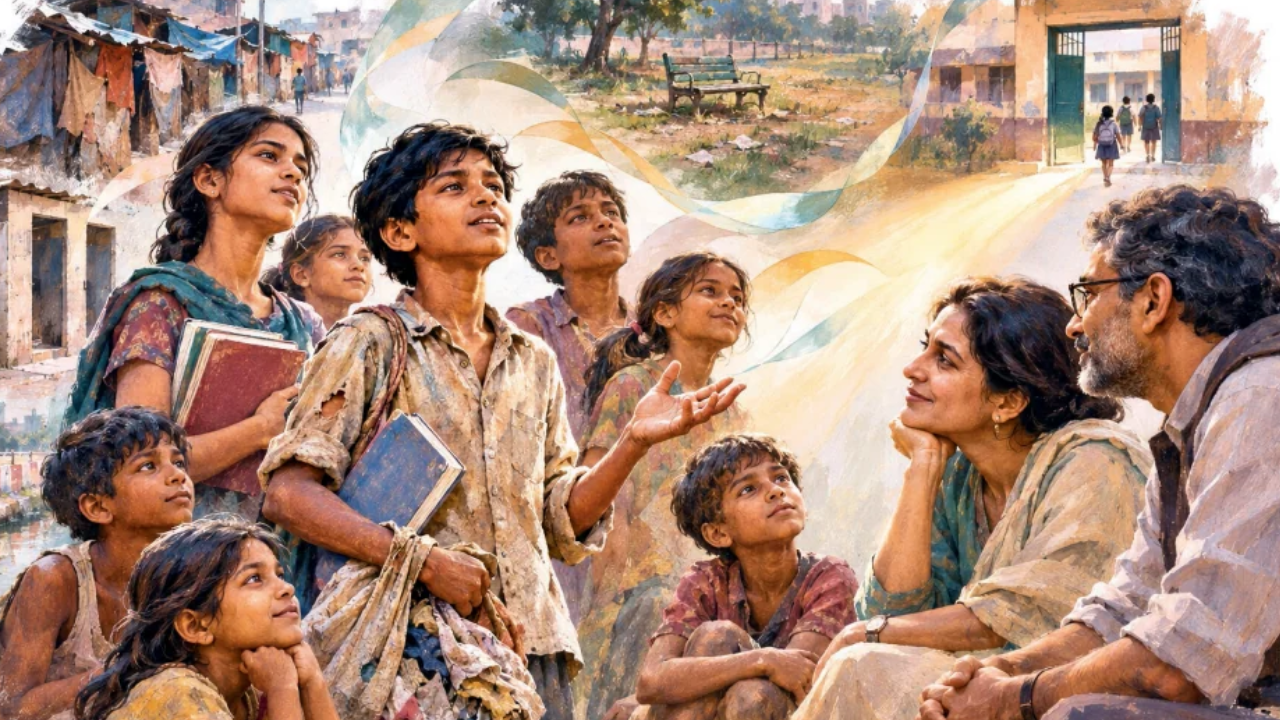
In a candid interaction with an official panel in New Delhi, young residents from underprivileged neighborhoods voiced the daily obstacles they encounter in the national capital. Children who engage in informal labor, such as picking rags to support their families, described how poverty severely limits their educational opportunities and physical safety. They spoke directly about being routinely turned away or excluded from neighborhood parks, pointing out that basic public infrastructure remains largely inaccessible to marginalized youth. The panel session offered a rare platform for these young citizens to articulate their concerns to administrative figures directly.
This development carries significant weight for readers across India, where rapid urban growth often leaves vulnerable children exposed to exploitation and social exclusion. Highlighting the struggles of urban poor children underscores the vast gap between policy mandates regarding child rights and ground realities in major cities. When public parks and recreational spaces are closed off to informal sector workers and street children, it reinforces systemic inequality and deprives youth of safe environments required for healthy development. Addressing these concerns is essential for municipal authorities attempting to build inclusive urban environments across the country.
Panellists and child rights advocates emphasized that listening to young voices is a critical first step toward reform. The feedback gathered during these sessions is intended to inform municipal planning, child protection initiatives, and community outreach programs in Delhi. Observers note that providing safe public spaces and transitioning children out of dangerous informal work requires coordinated action from civil society, urban planners, and local enforcement agencies. By drawing attention to these daily struggles, advocate groups hope to encourage actionable policy adjustments that guarantee equal access to public amenities for all children.
Comments 0