Gauhati High Court Narrows Citizenship Proof: Ancestral Names on Voter Lists Insufficient
The Gauhati High Court has ruled that the mere presence of an ancestor's name on a voter list does not automatically confer citizenship, demanding explicit proof of family linkage. This judicial clarification tightens the evidentiary standards for citizenship claims, potentially affecting thousands of pending applications across the northeast.
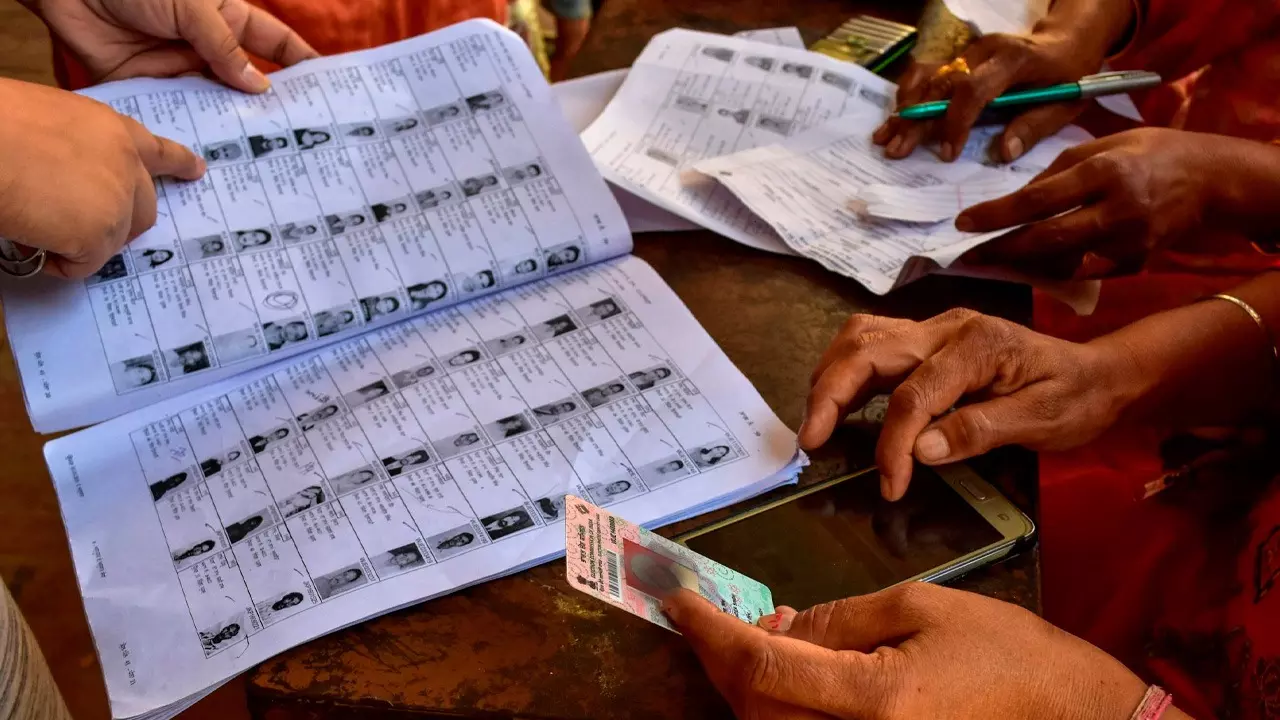
The legal for citizenship verification in India has shifted with a decisive ruling from the Gauhati High Court. The bench determined that listing an ancestor's name on a voter roll is not, in itself, a valid document of citizenship. This decision closes a procedural gap that allowed applicants to rely on indirect evidence, forcing a stricter interpretation of what constitutes admissible proof of lineage and national identity. The court's stance signals a move away from presumptive claims toward documented, verifiable facts.
This judgment highlights the institutional friction between administrative convenience and legal rigor in citizenship matters. For years, many applicants in the northeast have relied on voter lists as a primary source of identity, given the historical complexities of record-keeping in the region. The court's insistence on direct proof of family linkage places a heavier burden on individuals to produce birth certificates, marriage records, or other primary documents. This creates a significant hurdle for those whose ancestral records are incomplete or lost, raising questions about the accessibility of justice for marginalized communities.
The downstream impact of this ruling is likely to be substantial, with a potential surge in rejected applications and an increased burden on legal aid organizations. Applicants who previously relied on voter lists will now need to invest time and resources in gathering more comprehensive documentation. This could lead to a two-tier system where those with robust paper trails secure their status, while others face prolonged legal battles. The decision also sets a precedent that may be cited in other high courts, potentially standardizing a stricter approach to citizenship claims nationwide.
Comments 0