Gemstone Surge: Indian Consumers Shift from Gold to Coloured Stones
Sales of coloured gemstones in India have surged by 40 percent as consumers increasingly favour these stones over traditional gold and diamonds. This shift is driven by a desire for unique, high-value assets, with rare Paraiba tourmalines now commanding prices of Rs 5 lakh per carat.
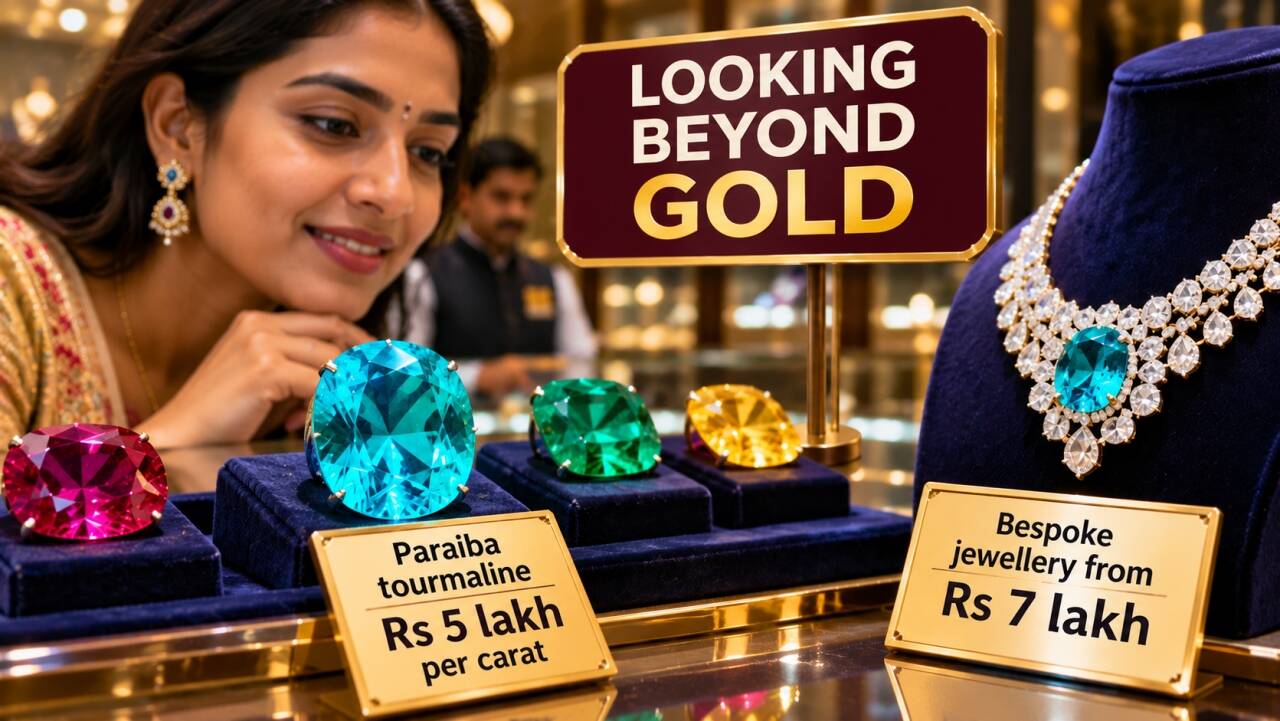
The concrete shift in Indian consumer behaviour is evident in the 40 percent jump in coloured gemstone sales. As gold prices remain elevated and diamond markets face saturation, affluent Indians are turning to coloured stones as a new form of wealth storage and personal expression. This trend is not merely aesthetic but economic, with bespoke jewellery starting at Rs 7 lakh and rare stones like Paraiba tourmalines fetching premium prices. The market is witnessing a structural change in how Indians perceive and invest in precious materials, moving away from the uniformity of gold towards the diversity and rarity of coloured gems.
The underlying tension in this market shift is the interplay between traditional cultural values and modern investment strategies. Gold has long been the default asset for Indian households, but the rising cost and perceived lack of differentiation in gold jewellery are pushing consumers to seek alternatives. The gemstone market, however, is less regulated and more opaque, creating a space for both opportunity and risk. Institutional friction arises as jewelers and retailers adapt their inventory and marketing strategies to meet this new demand, while consumers navigate a market with less standardized pricing and authentication processes.
The downstream consequences of this trend include a reshaping of the Indian jewellery industry's supply chain. Retailers are now sourcing more coloured stones from global markets, increasing India's import dependency for these specific materials. For consumers, the shift offers a new avenue for diversification but also exposes them to higher volatility in prices. In the next 12 months, we can expect a proliferation of certified gemstone trading platforms and increased regulatory attention to ensure transparency in the coloured stone market, as it becomes a significant component of India's luxury consumption .
Comments 0