Geopolitical Realignment on the Red Sea As Washington Opens Direct Talks With Houthi Leadership
Escalating maritime insecurity and severe strains on regional energy markets have compelled the United States to initiate direct diplomatic engagements with Houthi representatives. This sudden strategic pivot signals the official collapse of previous isolationist containment doctrines in the Middle East.
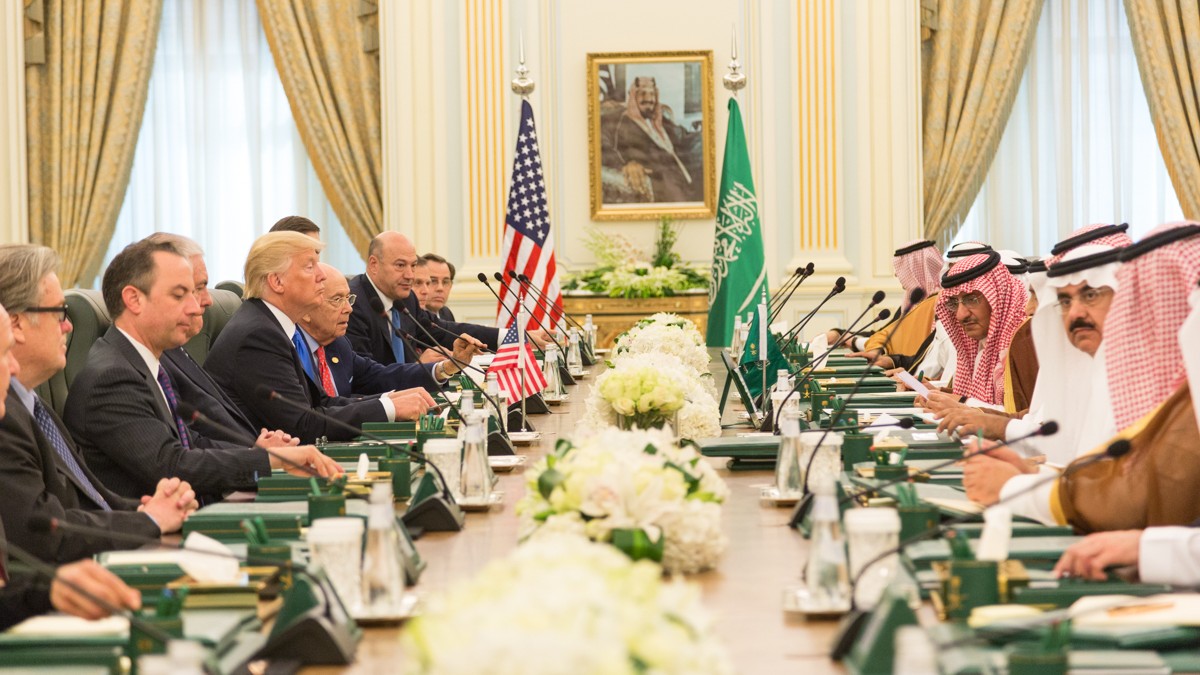
The opening of formal channels between Washington and Houthi commanders marks a profound departure from years of uncompromising military posturing. Persistent disruptions to commercial shipping lanes, compounded by an acute crisis enveloping Saudi petroleum infrastructure, rendered status quo policies untenable for Western policymakers. The convergence of economic pressure and military fatigue forced an admission that maritime security cannot be restored through airstrikes alone, setting the stage for high-stakes bargaining under intense global scrutiny. Beneath the surface of this diplomatic opening lies deep friction among traditional Western allies and regional actors who feel blindsighted by the sudden shift in American strategy. Gulf monarchies, having spent decades underwriting containment strategies against militant groups aligned with Tehran, now face the unsettling reality of Western powers cutting bilateral deals to secure immediate trade routes. This institutional realignment threatens to fracture long-standing security architectures across the Arabian Peninsula, leaving local capitals scrambling to adjust their sovereign defense doctrines. The immediate fallout includes a volatile re-pricing of global energy assets and a dramatic loss of leverage for exiled regional authorities who previously claimed exclusive representation of Yemeni state interests. By granting direct diplomatic standing to insurgent leadership, Washington has effectively rewritten the diplomatic rules of engagement for non-state actors controlling critical maritime choke points. Consequently, other militant factions worldwide are likely to view maritime extortion as an effective blueprint for securing official recognition from major global powers.
Comments 0