Diplomacy Amid Crude Realities: Washington and the Houthi Engagement
United States officials have opened direct diplomatic channels with Houthi representatives as escalating regional frictions compound a deepening Saudi oil supply crisis. The sudden diplomatic pivot acknowledges the profound vulnerability of critical petroleum corridors following failed military interventions.
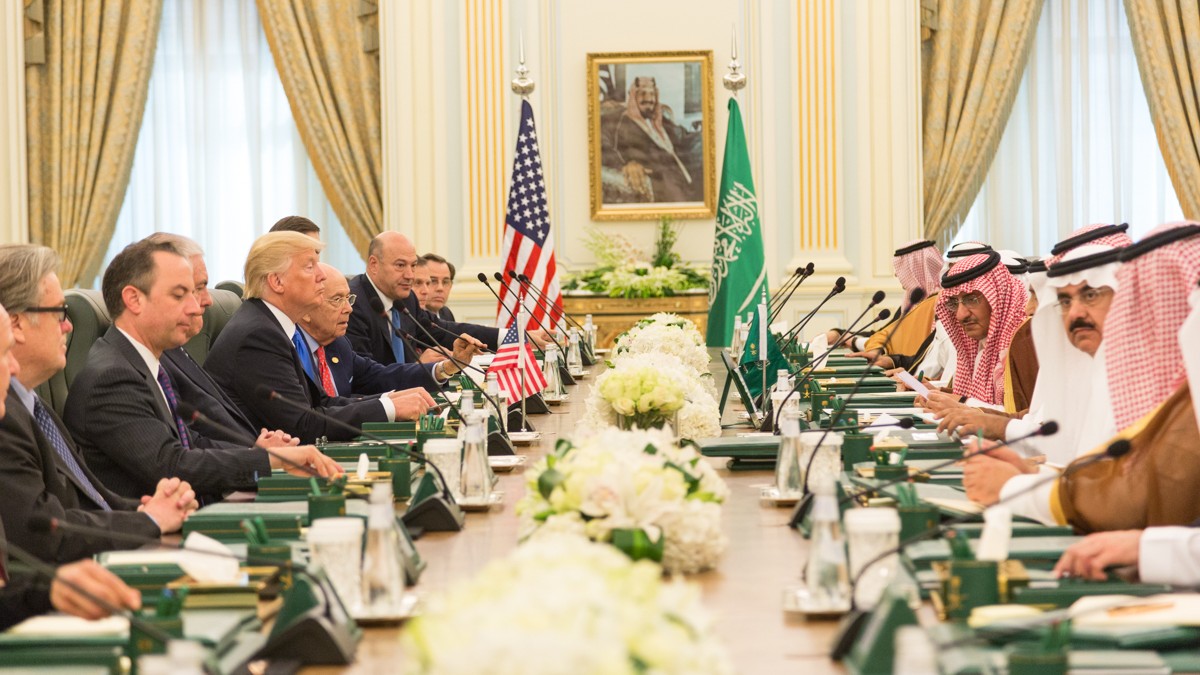
The breakdown of regional security architectures has forced an abrupt tactical revision in Western foreign policy. Decisive military campaigns failed to secure maritime choke points, leaving major oil export routes dangerously exposed to asymmetrical disruption. By initiating direct talks with actors previously designated as uncompromising adversaries, Washington concedes the limits of kinetic deterrence in safeguarding global energy flows. At the center of this diplomatic scramble lies the profound vulnerability of the global petroleum apparatus. Saudi infrastructure bottlenecks and closed pipelines have concentrated geopolitical leverage into volatile maritime zones, forcing energy importers to absorb surging risk premiums. Traditional allies in the Persian Gulf find themselves sidelined as superpowers negotiate directly with non-state actors to stabilize crude supplies, revealing a profound shift in regional power dynamics. Energy markets now face an extended period of structural unpredictability as institutional security guarantees erode. Should these talks yield only temporary truces, shipping insurers and commodity traders will permanently reprice Middle Eastern crude, embedding higher structural costs into the global economy. The long-term casualty of this crisis is the illusion of unhindered maritime commerce under unipolar naval hegemony.
Comments 0