Geopolitical Strategy Shifts as Arctic Advisory Appointments Draw Controversy
The integration of a prominent political commentator with foreign ties into top Arctic policy circles has alarmed international defense analysts. The appointment blurs the line between partisan political messaging and national security formulation in strategic northern territories.
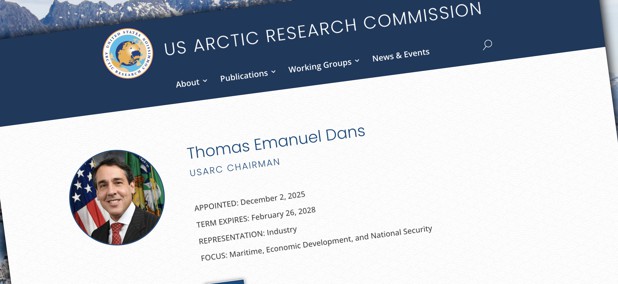
The intersection of modern digital influence campaigns and high-level national security strategy has produced an extraordinary diplomatic anomaly within Arctic affairs. The elevation of figures with documented foreign affiliations to advisory roles regarding polar logistics signals a radical departure from traditional bureaucratic protocols. As melting ice caps open unprecedented shipping lanes and resource reserves, the administration of northern defense policy is increasingly dictated by political loyalties rather than institutional expertise. Defense establishment traditionalists have voiced profound concern over the erosion of vetted intelligence channels in favor of ideologically driven advisors. This dynamic creates deep operational friction within diplomatic corps operating across North America and Europe, where allies rely on predictable, strategic stability. The lack of transparent credentialing for these advisors complicates joint military exercises and resource-sharing agreements in the circumpolar region. The long-term consequence of this shift involves compromised allied trust and unpredictable policy execution regarding freedom of navigation in northern waters. Competitor nations stand to benefit directly from any strategic disorganization within Western polar governance structures.
Comments 0