Saudi Pipeline Outage Fractures Global Oil Markets
A crippling infrastructure failure across Saudi Arabian transit corridors has removed the final cushions from international crude markets. Refiners now face severe spot shortages as the protracted conflict in the Middle East enters a precarious seventh month.
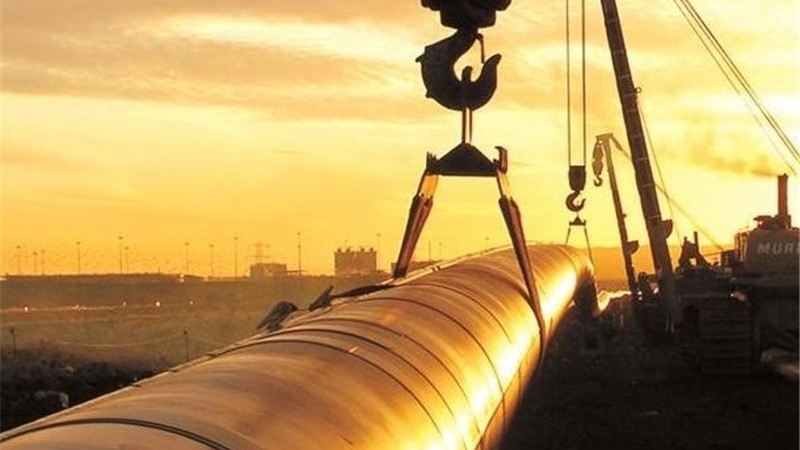
The rupture of critical pipeline infrastructure in the Arabian Peninsula marks a definitive end to the era of cheap energy buffers. For months, global markets operated under the dangerous assumption that reserve capacities could absorb regional shocks. That margin of error has vanished completely as damaged pumping stations restrict crude flows to major export terminals. Energy traders are scrambling to reprice risk premiums, pushing spot prices upward and igniting immediate supply anxiety across Asian and European manufacturing hubs. Beneath this physical disruption lies a systemic failure of diplomatic deterrence and regional security architecture. The ongoing military campaign in Iran has dragged on far past initial executive projections, turning a brief intervention into a grinding war of attrition. International energy monitors previously warned that spare production capacities were running dangerously thin. Now, state actors find themselves devoid of strategic reserves, exposing the vulnerability of centralized petroleum arteries to asymmetric drone and missile strikes. The immediate casualties of this supply shock are independent refiners and industrial economies dependent on uninterrupted crude imports. Operating margins are evaporating under the weight of surging feedstock costs, forcing several petrochemical plants to curtail production entirely. Downstream, consumers will inevitably absorb the inflationary blow through higher fuel prices and elevated freight charges. Central banks must now re-evaluate their monetary easing trajectories as energy inflation threatens to reignite broader consumer price indices across major economies.
Comments 0