Geopolitical Tremors Reach the Holy Sites as Mecca Faces an Unprecedented Security Alert
Regional hostilities breach sacred red lines as an initial attack warning rattles the Kingdom of Saudi Arabia. Condemnations cascade across international Muslim coalitions, signaling deep anxieties regarding the escalation of ballistic capabilities.
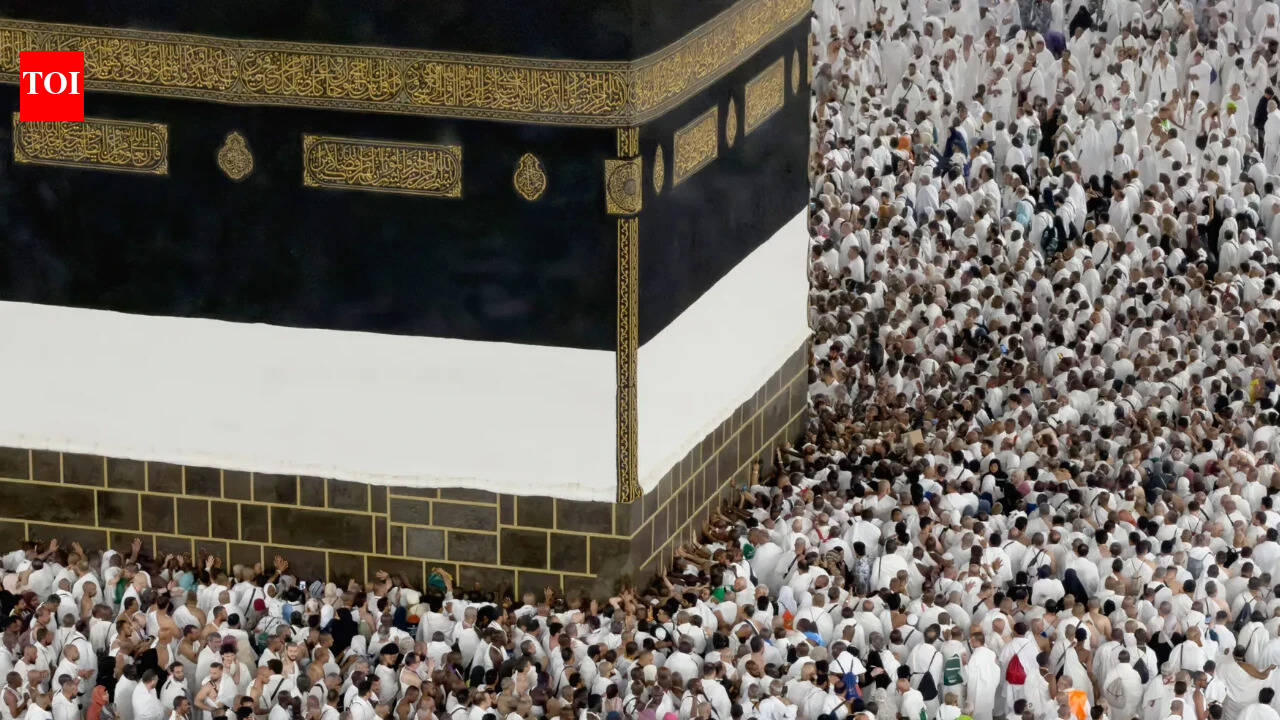
The regional security architecture of the Middle East shifted on its axis following the dissemination of an unprecedented threat advisory targeting Mecca. For millions across the Islamic world, the sanctuary represents an inviolable zone untouched by the kinetic exchanges typical of modern state conflicts. The detection of airborne projectiles directed toward the holy city shatters decades of tacit deterrence boundaries that kept religious centers insulated from active combat. Institutional response from regional authorities was immediate, characterized by frantic emergency protocols and severe airspace monitoring over the western provinces. Islamic civic organizations and governmental bodies across Asia and the Middle East mobilized swift rhetorical counter-offensives, issuing joint condemnations against the Houthi movement. These declarations reflect deep-seated anxiety among Sunni-majority states regarding the expanding operational envelope and technological sophistication of non-state armed actors. The immediate consequence is a militarization of pilgrimage logistics and heightened surveillance protocols across all major shrines in the Hijaz region. Downstream, this event hardens diplomatic fault lines, making comprehensive regional ceasefires significantly harder to negotiate as sacred geography becomes a theatre of war. Security expenditures across Gulf monarchies are poised to surge dramatically as intelligence apparatuses recalibrate their threat vectors.
Comments 0