Global Electric Vehicle Supply Chains Linked To Destructive Deforestation In Indonesia
An investigative report has revealed that battery supply chains for major automotive manufacturers including Volkswagen, Ford, and Tesla are directly connected to the widespread deforestation of primary rainforests in Indonesia. Indigenous Tolaki lands are suffering ecological devastation to extract nickel required for the global energy transition.
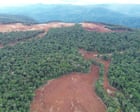
The global transition toward green transportation has collided with an inconvenient ecological crisis in the nickel-rich regions of Indonesia. Comprehensive investigative findings show that major western automotive corporations, including Volkswagen, Ford, and Tesla, rely on battery supply chains tainted by the systematic destruction of primary rainforests. Indigenous Tolaki communities inhabiting these lands have watched helplessly as industrial mining operations strip away biodiversity, pollute local water sources, and erase ancestral territories to feed the insatiable global demand for electric vehicle batteries. The paradox of fighting climate change through methods that accelerate local environmental degradation has sparked intense ethical questions for the international manufacturing sector.
The underlying tension exposes the profound disconnect between corporate sustainability pledges and the opaque realities of tier-three mineral sourcing in developing nations. Automakers frequently publicize ambitious carbon-neutral goals while maintaining commercial relationships with smelters and mining conglomerates that operate with minimal environmental oversight or regard for indigenous land rights. Regulatory frameworks in consumer markets often fail to penalize corporations for indirect supply chain violations, creating a perverse incentive for companies to outsource the dirtiest phases of production to jurisdictions with lax enforcement. This dynamic pits the urgent imperatives of decarbonization against the fundamental rights of indigenous populations and rainforest preservation.
The downstream consequence of this exposure will be mounting pressure from international environmental watchdogs and institutional investors for legally binding supply chain transparency laws. Automakers will be forced to conduct rigorous audits of their mineral procurement channels, potentially severing ties with non-compliant Indonesian suppliers and seeking alternative sourcing hubs. For the indigenous Tolaki people, however, the immediate outcome remains ecological loss and social displacement, demonstrating that the global green economy frequently replicates the extractive harms of the fossil fuel era.
Comments 0