Global Energy Markets Construct Permanent Infrastructure to Bypass the Strait of Hormuz
Major geopolitical actors are accelerating the construction of permanent bypass infrastructure to insulate global energy trade from chokepoint vulnerabilities. Meanwhile, legislative debates continue over executive war powers in Washington.
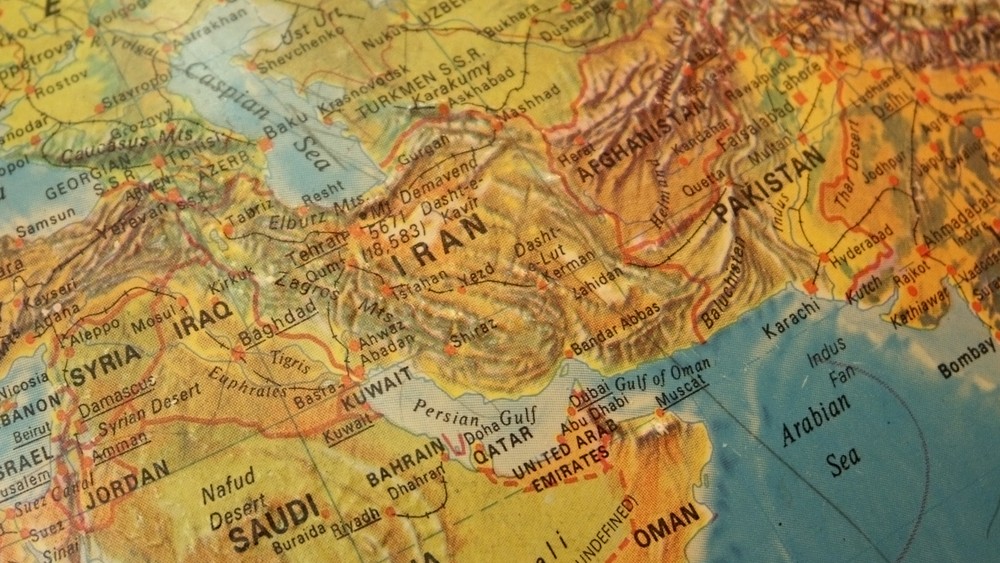
Energy-dependent economies have stopped viewing regional maritime disruptions as temporary anomalies and are aggressively investing in permanent overland pipelines and alternative export terminals. Nations dependent on Middle Eastern crude are altering shipping architectures to minimize reliance on vulnerable maritime corridors. This structural shift aims to neutralize geopolitical leverage historically held by regional actors controlling narrow straits. The legislative branch in the United States continues its push to constrain executive military authority, reflecting deep domestic fatigue over prolonged foreign entanglements. However, capital markets are pricing in long-term supply reconfiguration rather than immediate diplomatic resolutions. Investors are rewarding energy firms that diversify transport routes away from historical choke points toward secure continental networks. The permanent redirection of capital toward alternative energy transit corridors marks the end of an era of centralized maritime dependency. Producer nations face diminishing pricing power as consumer states successfully diversify import channels. The resulting commercial rewards geographical resilience over traditional shipping efficiency.
Comments 0