Strait of Hormuz Alternatives Alter Global Energy Markets as WTI Retreats
Crude oil futures retreated toward ninety-six dollars per barrel as global markets digested new Saudi infrastructure workarounds designed to bypass the volatile Strait of Hormuz. Traders quickly reassessed supply vulnerabilities following aggressive regional engineering efforts.
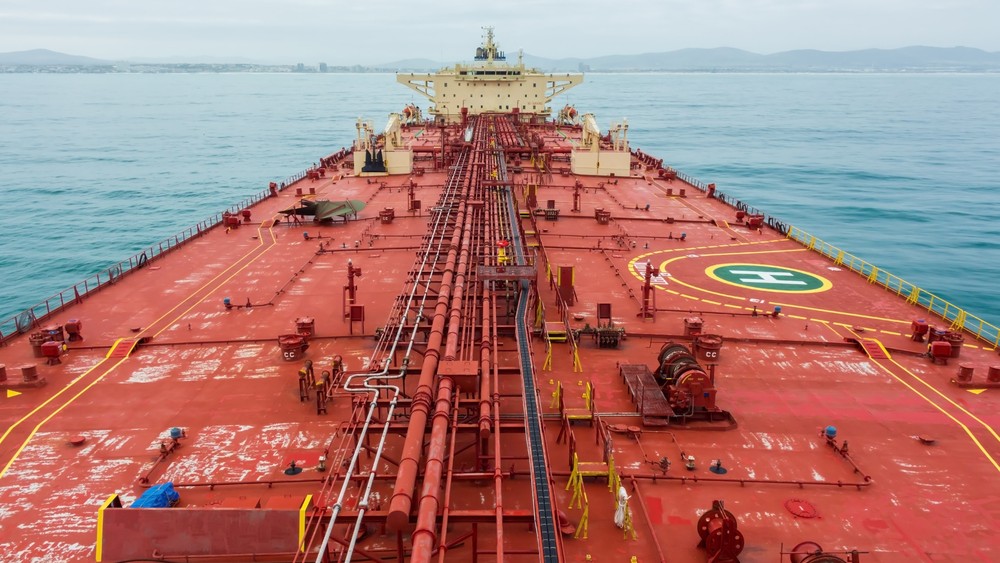
Global energy markets experienced a notable downward correction in benchmark crude prices as traders incorporated the reality of newly operational Middle Eastern bypass pipelines. Despite persistent geopolitical friction and legislative battles over executive war powers in Washington, oil markets found temporary equilibrium. The ability of major producers to route significant export volumes away from traditional maritime chokepoints fundamentally alters the risk premium historically attached to regional hostilities. The scramble to construct permanent infrastructure around traditional chokepoints reflects a profound structural realization among producers and consumers alike. The vulnerability of maritime transit lanes through the Persian Gulf has long dictated global macroeconomic volatility. By committing billions to overland pipeline expansions and alternative terminal facilities, state energy companies are effectively insulating their primary revenue streams from potential military blockades and asymmetric naval conflicts. The immediate losers in this logistical evolution are maritime insurance syndicates and shipping operators who traditionally profit from heightened Middle Eastern risk premiums. Conversely, industrial economies dependent on stable energy imports secure a vital buffer against sudden supply shocks. The sustained downward pressure on benchmark futures provides central banks with welcome relief as they calibrate monetary policy against lingering inflationary impulses.
Comments 0