Goldman Sachs Warns Domestic Gasoline Prices Will Surge Under Proposed United States Diesel Export Curbs
Financial strategists have outlined severe inflationary consequences should Washington implement proposed restrictions on domestic diesel shipments abroad. The policy proposal creates a volatile trade-off between domestic inventory retention and international commodity pricing.
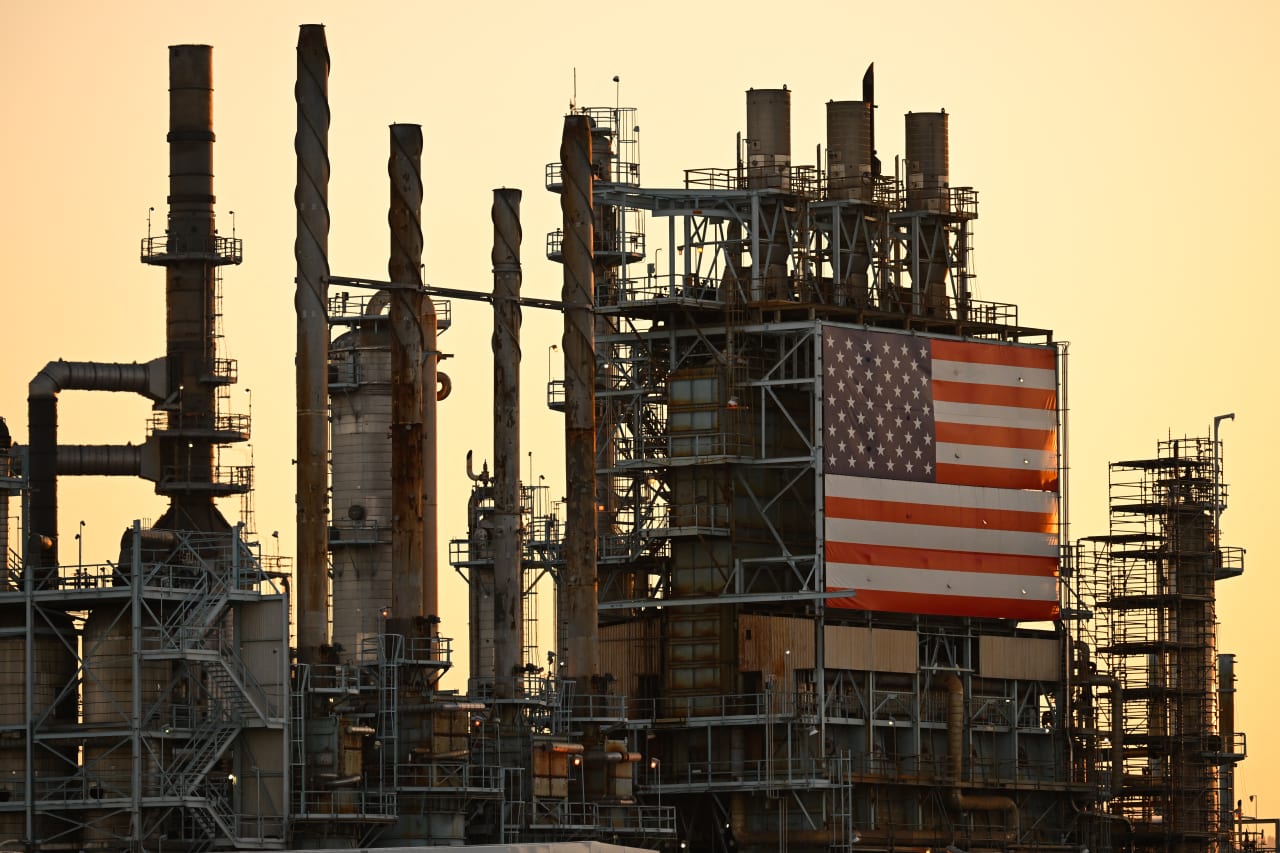
The economic analysis released by Goldman Sachs regarding potential restrictions on United States diesel exports highlights the delicate balancing act governing global energy commerce. Policymakers facing public pressure over rising domestic fuel costs frequently contemplate export bans to trap refined products within national borders and drive down local prices. However, market analysts project that such protectionist interventions would paradoxically add substantial costs per gallon to domestic retail gasoline, driven by domestic refinery scheduling inefficiencies and retaliatory trade frictions abroad. This debate underscores the deep tension between nationalist energy security doctrines and the integrated reality of global commodity refining. Modern refineries produce a fixed yield slate of various petroleum products; choking off foreign markets for diesel disrupts optimal operational output, forcing refiners to curtail overall processing runs or absorb heavy inventory storage penalties. Consequently, artificial export barriers often generate counterproductive price spikes at local service stations. The downstream casualties of any U.S. export prohibition would be international trade partners reliant on American refined products, alongside domestic consumers who would ultimately absorb the refined product price inflation. Global shipping and aviation sectors would face acute supply volatility, while foreign exchange markets adjust to altered petrodollar flows. The institutional outcome reinforces the limits of unilateral trade controls in highly integrated global energy networks.
Comments 0