Goldman Slashes AI Trade Forecast for Korea, Signals Market Volatility
Goldman Sachs reduced its growth multiple for AI‑related equities in South Korea by 25 percent, citing heightened volatility and a cooling appetite among investors. The revision casts doubt on the near‑term trajectory of the Korean AI sector.
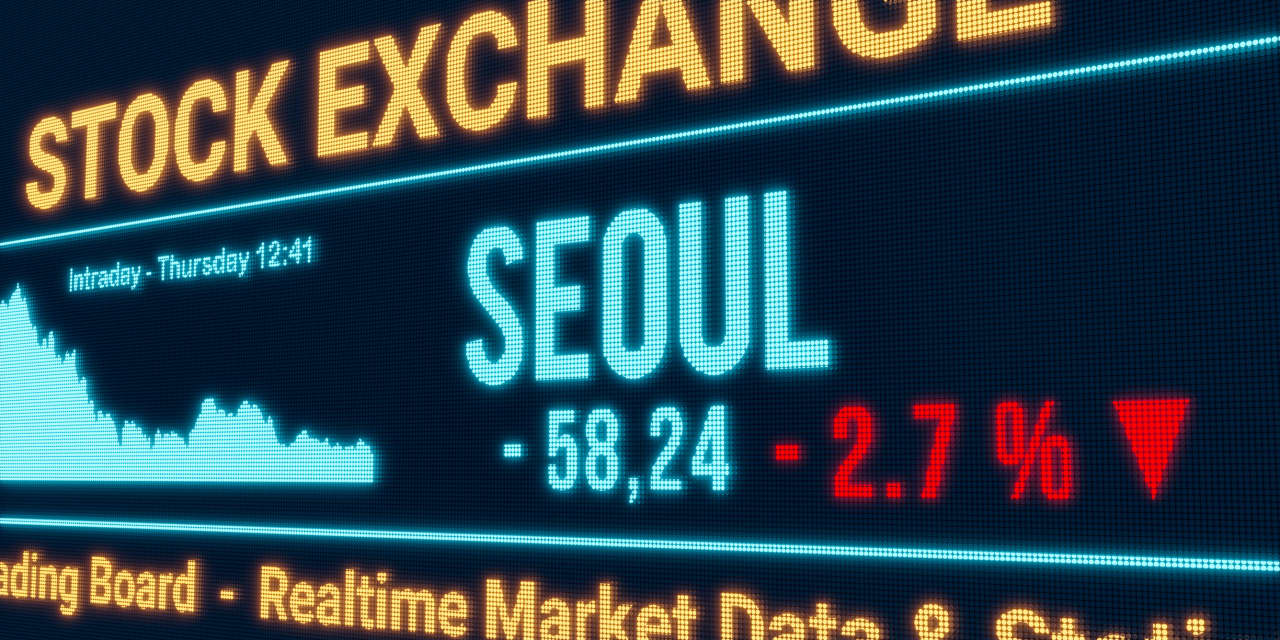
In a market briefing, Goldman Sachs strategist Tim Moe announced a 25 percent cut to the growth multiple applied to AI‑focused stocks listed on the Korean exchange, a move that reflects a broader reassessment of the sector’s valuation metrics. The analyst cited a surge in price volatility, waning investor enthusiasm, and concerns over the sustainability of recent earnings surges as primary drivers of the downgrade. The Kospi index, long regarded as a bellwether for global AI trade, now faces a more cautious outlook, prompting fund managers to revisit allocation strategies.
The downgrade reverberated through Asian equity markets, with several AI‑centric funds recording immediate outflows and a modest decline in share prices of leading Korean chip manufacturers. Industry observers warn that reduced foreign capital inflows could impede research and development pipelines, especially for start‑ups reliant on venture funding. Domestic firms may respond by seeking alternative financing channels, such as strategic partnerships with global tech giants or increased reliance on government grants aimed at fostering AI innovation.
Over the next twelve months, the contraction in investor confidence is likely to temper the rapid expansion of Korea’s AI ecosystem, potentially slowing job creation and delaying the rollout of next‑generation technologies. Policymakers may feel compelled to introduce incentives that restore market optimism, such as tax breaks for AI research or streamlined regulatory approvals for emerging applications. The sector’s trajectory will hinge on its ability to demonstrate tangible commercial returns that can justify renewed capital commitments.
Comments 0