Gorakhpur Tragedy Ignites Fierce Clash Between Uttar Pradesh Leaders
The death of a boy in Gorakhpur has escalated into a political confrontation, with Chief Minister Yogi Adityanath accusing Akhilesh Yadav’s rally of responsibility, while the Samajwadi Party rebuts the charge. The incident has become a flashpoint in the state’s electoral calculus.
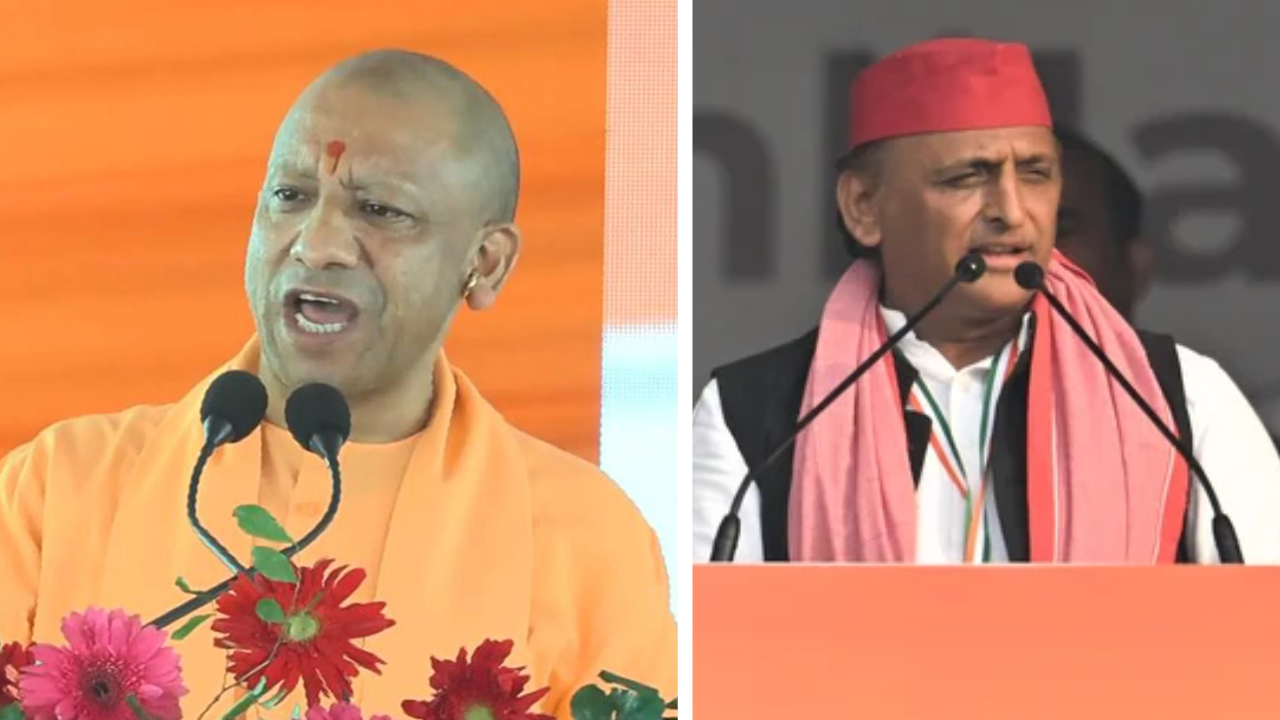
The concrete rupture occurred when local media reported the fatal incident involving a young boy near a political gathering, prompting the Uttar Pradesh chief minister to publicly blame the opposition’s roadshow for the tragedy. Yogi Adityanath’s statements, amplified through state‑run channels, framed the death as a direct consequence of the rival party’s activities, thereby politicising a personal loss. The Samajwadi Party, led by Akhilesh Yadav, swiftly countered, accusing the ruling party of exploiting the incident for electoral gain and demanding a transparent investigation.
Underlying tension has long simmered between the two major political forces in Uttar Pradesh, each vying for dominance in a state that decides a substantial share of national parliamentary seats. The Gorakhpur episode has intensified existing rivalries, as both camps seek to portray themselves as protectors of public safety while casting the other as reckless. The incident also exposes the fraught relationship between political mobilisation and law‑enforcement protocols, with allegations that crowd‑control measures were insufficient during the rally.
The downstream repercussions may shape the upcoming electoral narrative across the state. Voter sentiment in the affected districts could swing based on perceived accountability, influencing campaign strategies and candidate selection. Moreover, the controversy may prompt the state government to tighten regulations on political gatherings, potentially affecting future rallies and public assemblies. In the next twelve months, the episode is likely to be invoked repeatedly in political advertising, serving as a barometer of public trust in both parties.
Comments 0