Green crackers vs conventional fireworks: What makes them less polluting, and are they really safe for Diwali?
Green crackers are marketed as a cleaner alternative to traditional fireworks, claiming lower emissions of harmful chemicals during Diwali celebrations. Experts examine the composition of these devices and assess whether they truly reduce pollution and health risks.
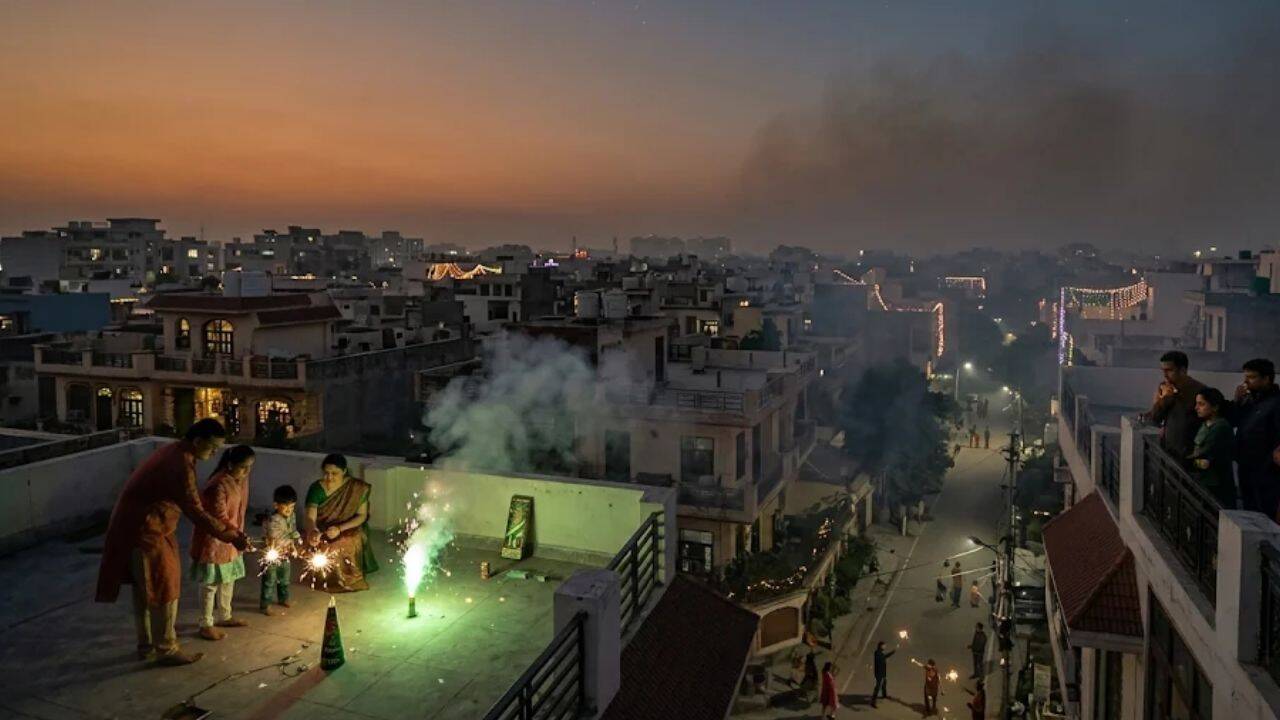
Manufacturers of green crackers argue that their products contain reduced amounts of heavy metals, sulphur and other toxic substances that are common in conventional fireworks. The devices are said to use cleaner oxidizers, natural colourants derived from plant extracts and a lower proportion of aluminium powder, which together result in less smoke and particulate matter when ignited. Laboratory tests conducted by independent labs have shown that emissions from green crackers can be up to 30 percent lower in terms of carbon monoxide and fine particulate concentration compared with standard firecrackers.
Despite these claims, environmental scientists caution that any combustion process releases some level of pollutants, and the overall impact depends on the scale of use. In densely populated urban areas, even a modest reduction per cracker may not offset the cumulative effect of millions of devices being set off simultaneously. Moreover, the safety record of green crackers is still being evaluated; while they may emit fewer chemicals, the risk of accidental burns or misfires remains comparable to traditional fireworks, especially when used by untrained individuals.
For Indian households, the decision to switch to green crackers carries both environmental and cultural considerations. Diwali is a time of communal celebration, and many families view fireworks as an essential part of the tradition. The promise of a cleaner sky can appeal to health‑conscious citizens, particularly those with respiratory conditions, and aligns with government efforts to curb air pollution during the festival season. However, widespread adoption will likely depend on price parity, availability in local markets and public awareness campaigns that explain the benefits and limitations of the greener option.
Comments 0