Healthcare Infrastructure Deficits Spur Political Backlash Over Unstaffed Medical Facilities
Political leaders in Punjab have criticized the state government for inaugurating hospital buildings without appointing qualified medical professionals. The disconnect between physical infrastructure and human resource allocation highlights persistent crises in public healthcare delivery.
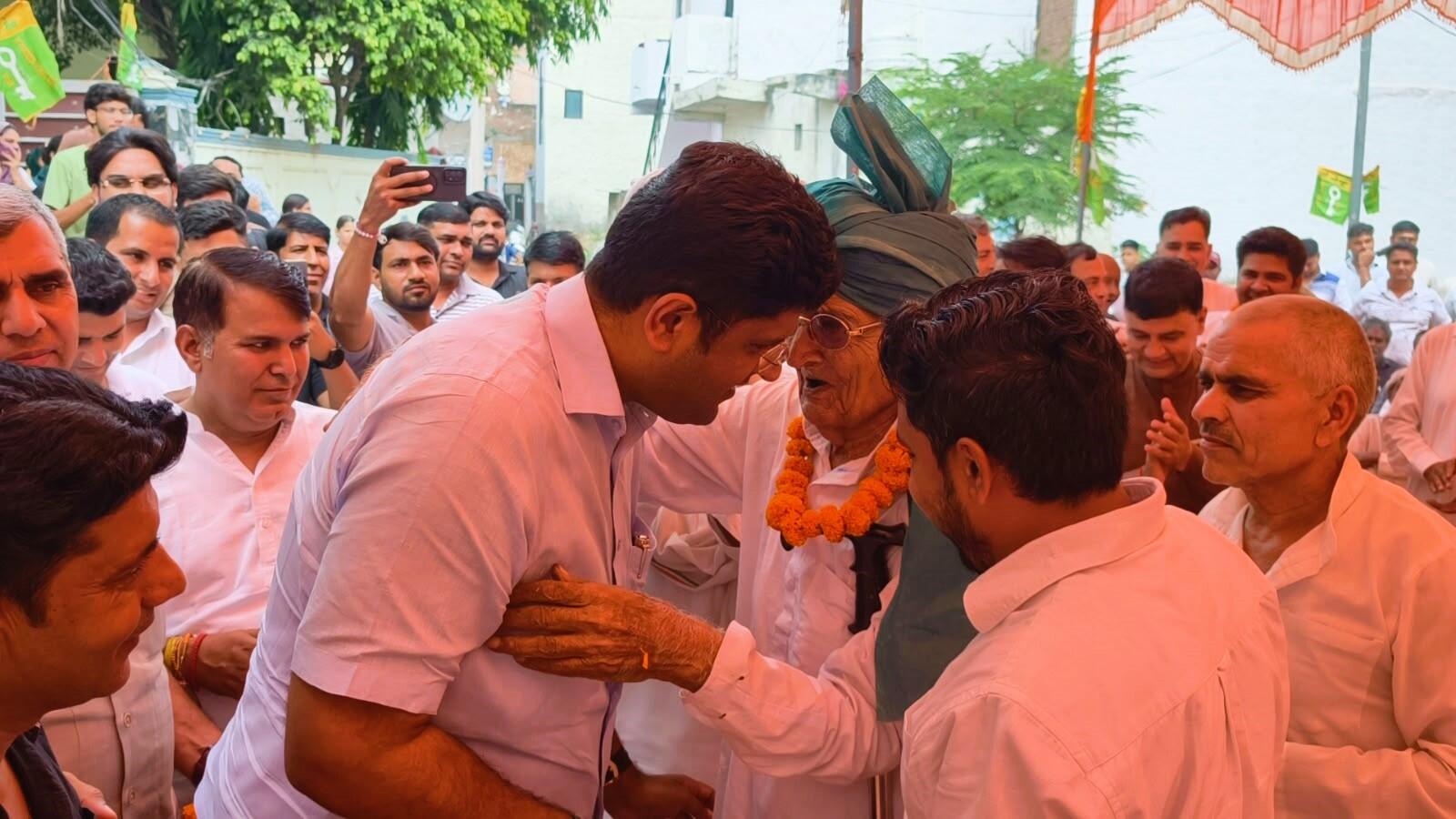
The political debate in Chandigarh intensified as opposition figures lambasted the administration for prioritizing ribbon-cutting ceremonies over functional governance. Critics pointed out that numerous newly constructed hospitals across rural districts stand vacant, devoid of doctors, nurses, and essential diagnostic equipment. Citizens seeking specialized care are forced to travel vast distances to urban centers, rendering the multi-million-dollar brick-and-mortar investments effectively useless. This controversy underscores a chronic administrative disconnect between capital expenditure planning and operational talent acquisition within provincial health departments. State bureaucracies routinely struggle to incentivize medical professionals to relocate to rural outposts, leading to chronic absenteeism and staff shortages. The friction between legislative ambitions and ground-level medical realities erodes public trust in governmental welfare initiatives. The immediate victims of this administrative paralysis are underprivileged patients who rely entirely on the public health grid for survival. Delays in treatment exacerbate minor ailments into chronic conditions, overwhelming tertiary care hospitals in major cities. Without comprehensive reforms in doctor retention policies, physical hospital expansions will remain empty monuments to bureaucratic inefficiency.
Comments 0