Heat Islands: Pune's Industrial Belt Drives Surface Temperature Surge
A new study reveals that surface heat in the Pune region is converging at specific points, with the PCMC industrial belt identified as a major source. This finding highlights the environmental cost of rapid industrialization and the urgent need for urban planning interventions.
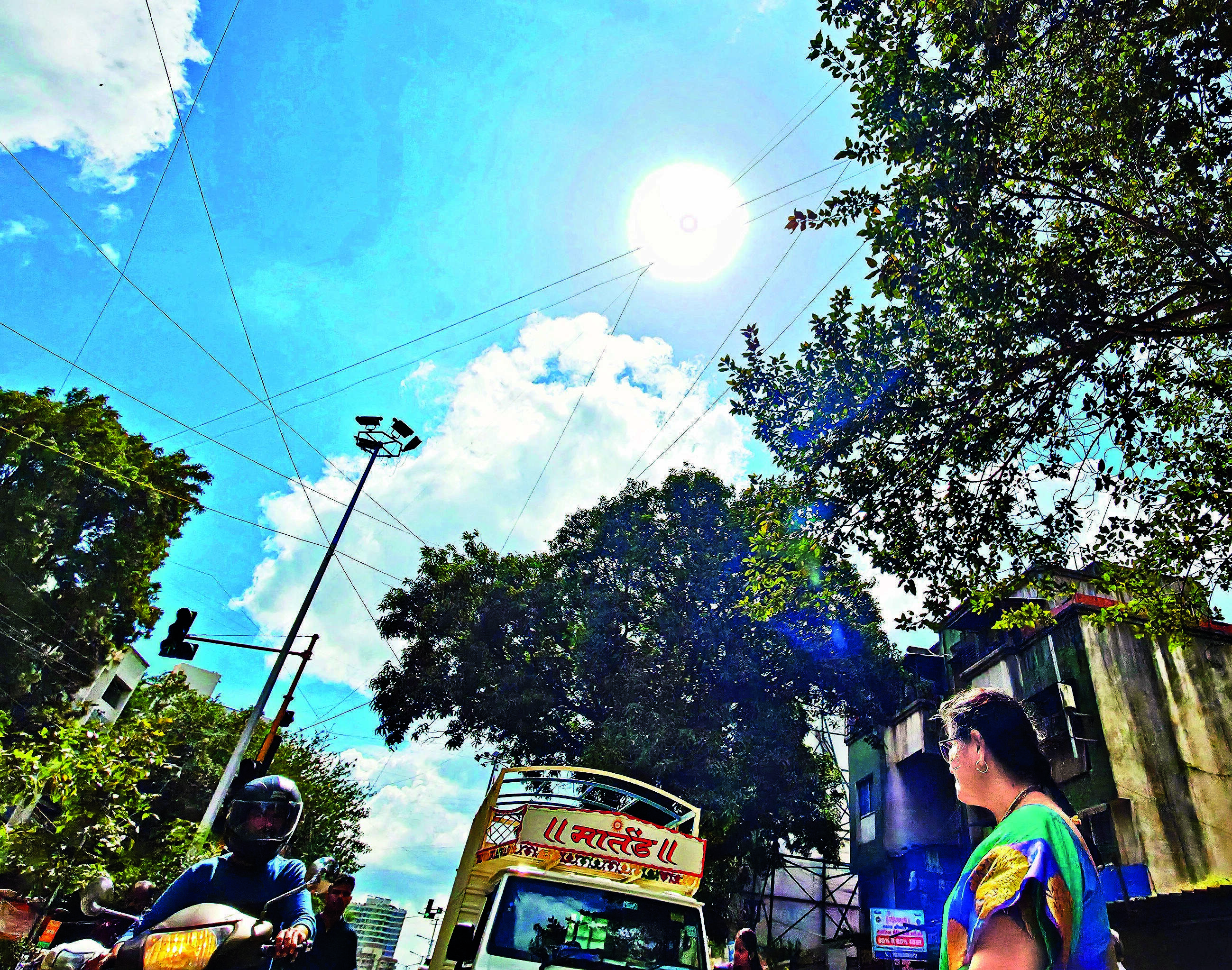
The concrete rupture is the scientific confirmation of heat islands in the Pune region, driven largely by the PCMC industrial belt. This is not just a local issue but a symptom of the broader environmental impact of industrialization. The convergence of heat at specific points indicates that the built environment is trapping and amplifying heat, leading to higher temperatures and reduced air quality.
The underlying tension is the conflict between economic growth and environmental sustainability. The PCMC industrial belt is a major driver of the region's economy, but its environmental footprint is significant. The study highlights the need for a more balanced approach to urban planning, one that considers the environmental impact of industrial activities. The institutional friction is evident in the slow adoption of green technologies and sustainable practices by industrial players.
The downstream consequence is a potential increase in heat-related health issues and a decline in the quality of life for residents. The tangible outcome is the need for immediate action to mitigate the heat island effect, such as the expansion of green spaces and the adoption of cooler building materials. This finding will likely prompt a reevaluation of urban planning policies in Pune and other rapidly industrializing cities in India.
Comments 0