Green Concrete: Maharashtra's 5 Billion Sq Ft Building Push
Maharashtra has unveiled five new green building rating systems and a partnership with Bhutan, anchoring a state that now accounts for 5.01 billion square feet of sustainable projects. This aggressive expansion signals a structural shift in India's real estate and construction sectors towards mandatory environmental standards.
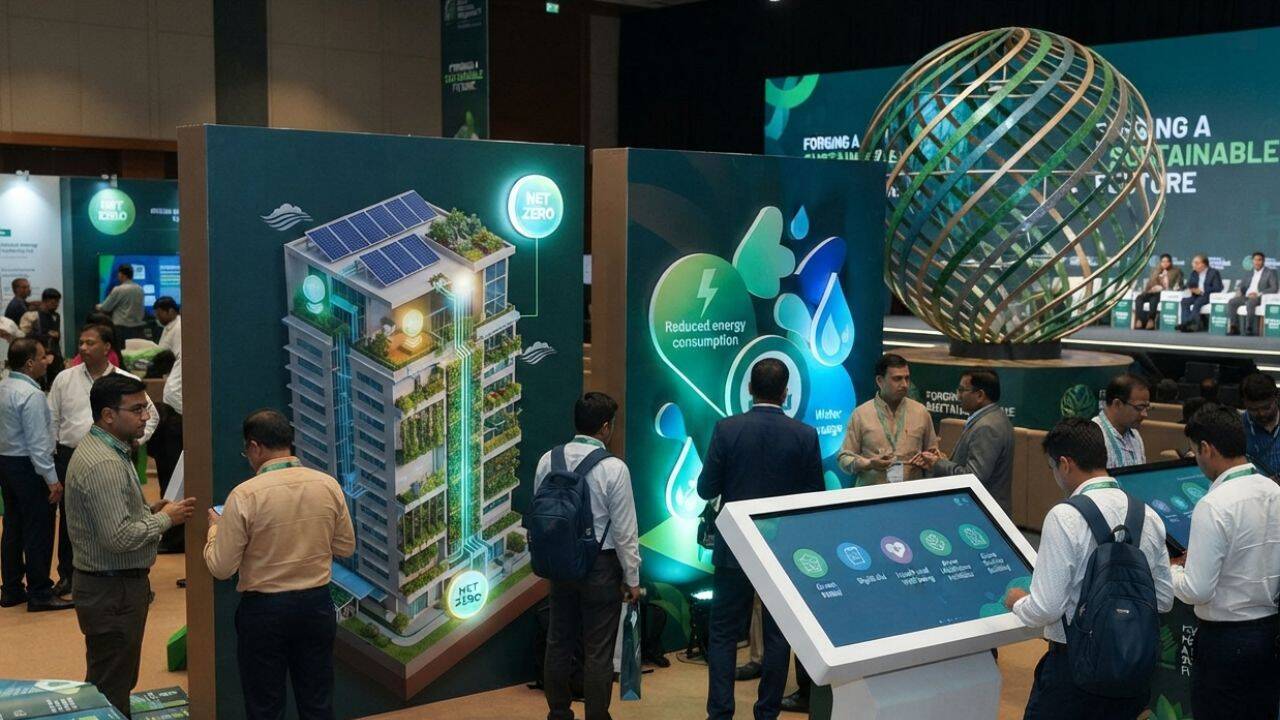
The concrete reality of India's green transition is taking shape in Maharashtra, where the state has announced a comprehensive suite of five new rating systems for green buildings. This move is not symbolic; it is backed by the sheer scale of the state's construction sector, which now encompasses 5.01 billion square feet of green projects. The unveiling of these systems, alongside a partnership with Bhutan and a green healthcare pact, marks a decisive pivot from voluntary sustainability to regulated, standardized environmental performance in the built environment.
The underlying tension here is between rapid urbanization and ecological sustainability. Maharashtra, as India's economic engine, faces immense pressure to accommodate its growing population and industrial base. The introduction of new rating systems suggests that the state is attempting to codify environmental responsibility into the very fabric of construction. This institutional friction is evident in the need to balance economic growth with climate goals, a challenge that has long plagued Indian cities. The partnership with Bhutan, a nation known for its carbon-negative status, underscores a desire to align with global best practices.
The downstream impact will be felt by developers, architects, and homeowners alike. The new rating systems will likely increase construction costs in the short term, potentially slowing down some projects. However, the long-term outcome is a more resilient and energy-efficient built environment. The tangible benefit is a reduction in carbon emissions and improved air quality, which are critical for public health. This shift also positions Maharashtra as a leader in green construction, potentially attracting more investment from environmentally conscious firms.
Comments 0