Herzog's Gamble: Eisenkot Tasked to Unseat Netanyahu
Israeli President Isaac Herzog has formally charged former defence chief Gadi Eisenkot with forming a government, a move that directly challenges Benjamin Netanyahu's hold on power. This decision signals a potential rupture in the Likud-led coalition and intensifies the struggle for Israel's political future.
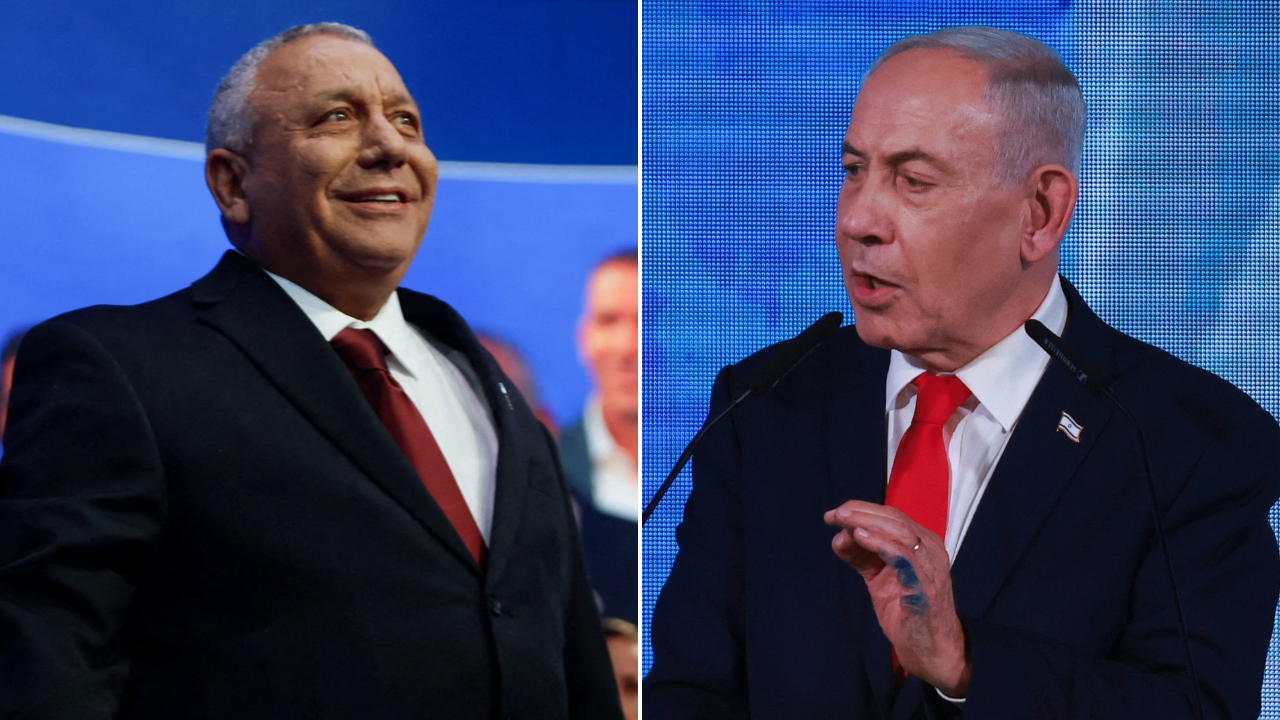
The political architecture of Israel has shifted with the issuance of a formal mandate to Gadi Eisenkot, a former head of the Israeli Defence Forces and a prominent figure in the centrist Yesh Atid party. By selecting Eisenkot, President Herzog has bypassed the incumbent prime minister, effectively declaring that the current administration has lost the confidence of the state's highest constitutional authority. This is not a mere procedural step but a strategic intervention designed to destabilize the right-wing bloc that has governed for over a decade. The immediate consequence is a scramble among opposition parties to coalesce around a military veteran who commands respect across the security establishment, while Netanyahu's camp faces the prospect of a credible alternative that can unite the fragmented centre and left.
The underlying tension stems from a deepening crisis of legitimacy within the Netanyahu government, exacerbated by judicial reforms, economic stagnation, and the ongoing regional conflicts. Herzog's choice reflects a calculation that the status quo is untenable and that a change in leadership is necessary to restore institutional stability. Eisenkot's background as a defence chief provides him with a unique vantage point to address security concerns, a critical issue for the Israeli public. However, the institutional friction is palpable; the Likud and its allies view this move as an overreach by the presidency, potentially setting a precedent for executive intervention in the legislative process. The coming weeks will test the resilience of Israel's parliamentary system as parties negotiate the terms of a new coalition.
The downstream impact of this development will be felt across the political spectrum, with potential winners and casualties emerging from the realignment. If Eisenkot succeeds in forming a government, it would mark a historic shift in Israeli politics, ending the era of Netanyahu's dominance and introducing a new paradigm focused on institutional reform and security stability. Conversely, if the mandate fails, it could lead to further political paralysis and an early election, which may benefit the far-right factions. The global community, particularly the United States and European allies, will closely monitor this transition, as a change in government could alter Israel's diplomatic posture and its approach to regional conflicts. The stakes are high, and the outcome will shape the trajectory of Israeli democracy for years to come.
Comments 0