Himachal Pradesh Doubles Milk Incentive to Rs 6 per Litre in Rural Support Drive
The Himachal Pradesh government announced a raise in the milk procurement price, aiming to boost farmer incomes and stabilize the dairy sector. The policy shift is expected to alter market dynamics for small‑scale producers across the state.
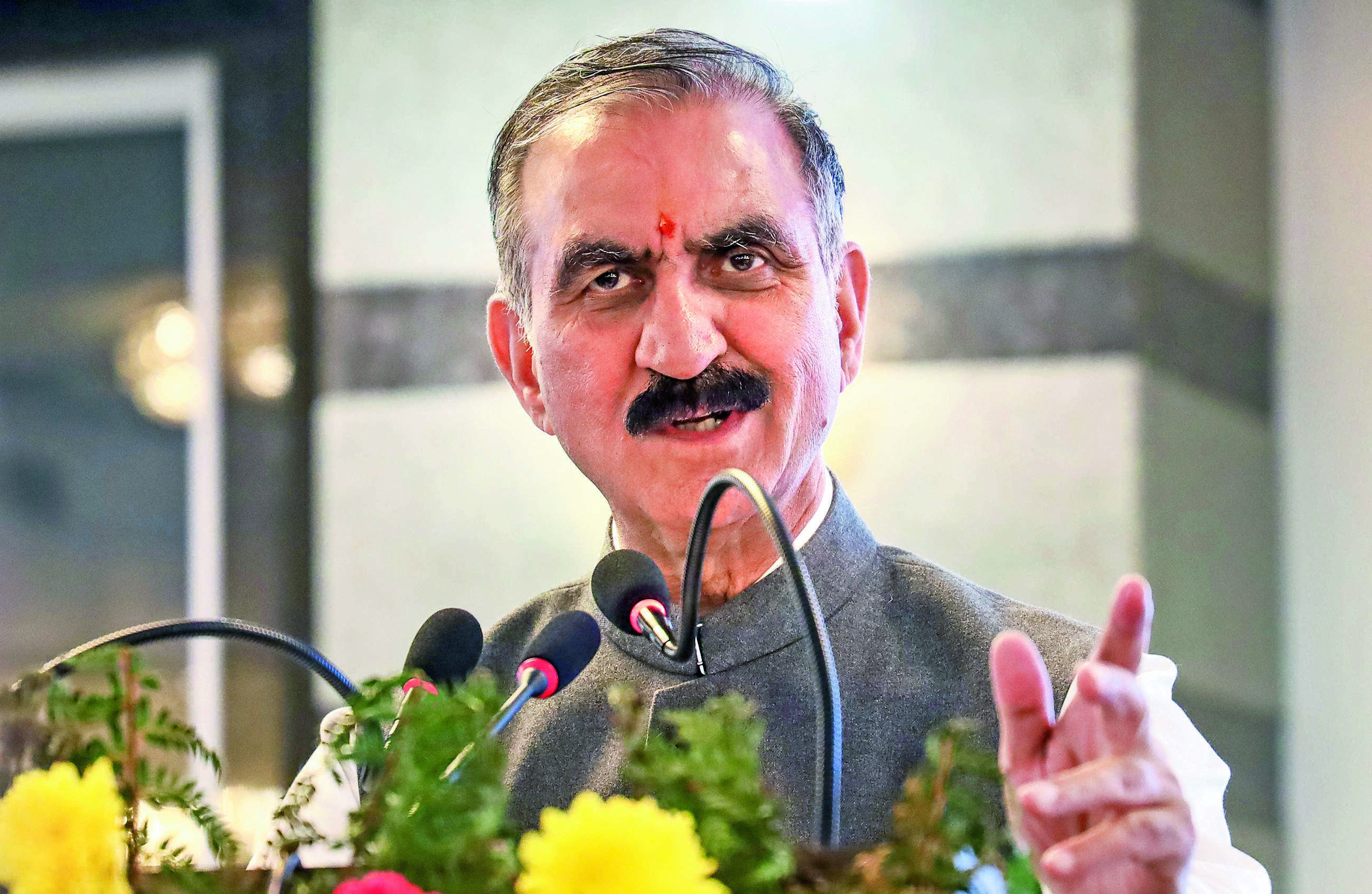
The state cabinet approved an increase in the minimum price paid to dairy farmers, moving from Rs 3 to Rs 6 per litre. Officials argue that the measure will counteract rising input costs, encourage higher milk production, and reduce rural distress. The policy is part of a broader agricultural support package that includes subsidies for fodder and veterinary services, reflecting the government's focus on agrarian welfare.
Underlying the decision is a recognition that dairy farming remains a cornerstone of Himachal's rural economy, yet many smallholders struggle with volatile market prices and limited access to credit. By guaranteeing a higher procurement rate, the administration hopes to incentivise investment in better breeding practices and modernised milking infrastructure. The move also aligns with national objectives to increase domestic milk production and reduce reliance on imports.
The immediate effect will be a rise in farmgate prices, translating into higher household earnings for dairy families. However, the increased cost may be passed on to consumers, potentially raising retail milk prices. In the longer term, the policy could stimulate the formation of cooperative societies, fostering collective bargaining power for producers and enhancing supply chain efficiency throughout the region.
Comments 0