Hormuz Constraints Ignite Global Return to Coal as Energy Markets Fracture
Persistent trade blockades in the Strait of Hormuz have forced international economies to abandon clean energy targets and pivot back to coal. The International Energy Agency projects record demand surges as nations scramble to secure baseload power amid crippling oil and gas deficits.
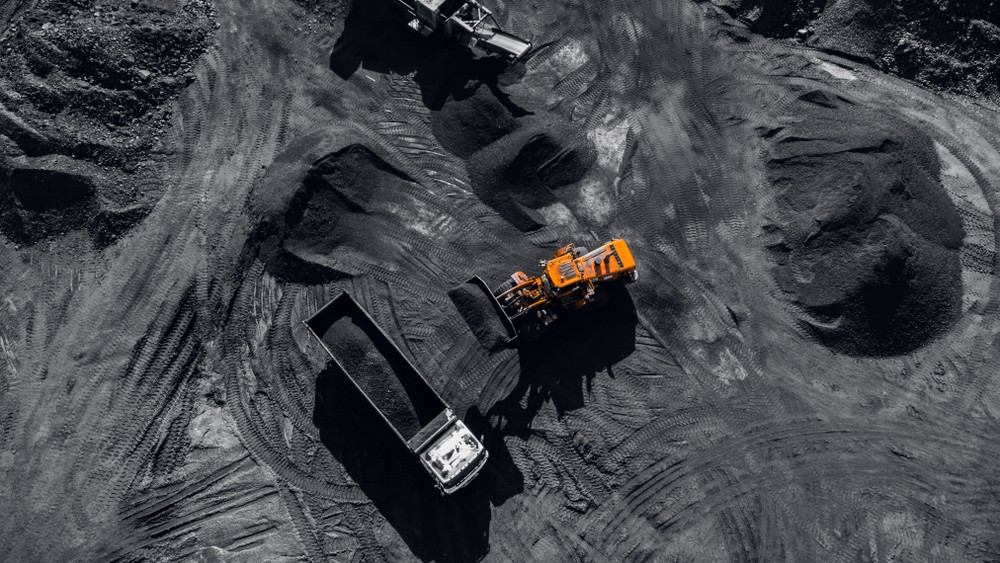
The geopolitical impasse surrounding the Strait of Hormuz has evolved from a regional maritime dispute into a systemic energy shock. As traditional tanker routes face severe constraints, refineries and utility providers find themselves cut off from vital hydrocarbon supplies. Governments previously committed to aggressive decarbonization schedules now confront immediate blackouts and industrial contractions, leaving them few viable alternatives outside of restarting idled coal plants and ramping up immediate purchases. This abrupt reversal exposes the fragile dependency of modern industrial economies on localized maritime choke points. Energy ministers across importing nations have engaged in frantic spot-market bidding wars, driving up the price of thermal coal and straining dry-bulk shipping logistics globally. The administrative friction between environmental regulatory bodies and emergency energy planners has intensified, as cabinets override statutory emissions caps in favor of grid survival. The ultimate beneficiaries of this disruption are large coal exporters and domestic mining conglomerates, who are reaping windfall profits from the sudden resurgence in fossil fuel reliance. Conversely, developing nations lacking the capital reserves to compete in inflated commodity auctions face severe energy rationing and manufacturing slowdowns. Over the coming quarters, carbon reduction timelines will experience a measurable setback, recalibrating global climate models and altering trade balances across the Northern and Southern Hemispheres.
Comments 0