Hours After Amit Shah's Dare To Rahul Gandhi, A Big Move On Delimitation: What We Know On Numbers
Following Amit Shah's public challenge to Rahul Gandhi, the government announced plans to redraw electoral boundaries and increase the size of legislative bodies. The opposition claims that a 33 % reservation for women can be implemented within the current number of seats, while the ruling party pushes for a larger map to accommodate new constituencies.
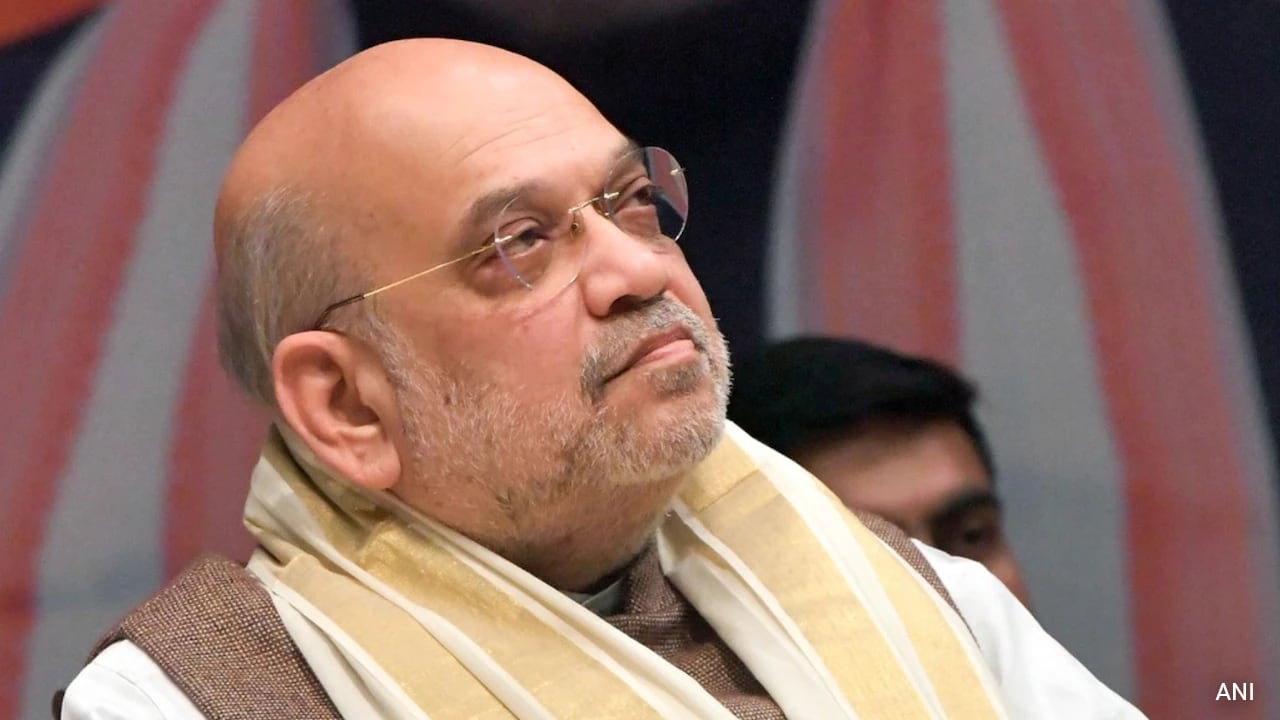
The announcement came hours after a televised exchange in which Amit Shah urged Rahul Gandhi to present a concrete alternative to the government's delimitation agenda. Delimitation, the process of redrawing constituency borders based on the latest census, has been pending for several years and is seen as a way to reflect population shifts across the country. The current proposal includes expanding the number of seats in both Parliament and state assemblies, a move that would alter the political calculus for all major parties and could affect the balance of power in upcoming elections.
The Congress party responded by emphasizing that the proposed 33 % women's quota does not require an increase in the total number of seats. According to party officials, the quota can be achieved by reserving one‑third of existing seats for female candidates, a step that would bring greater gender representation without the logistical challenges of expanding legislatures. The government, however, argues that a larger assembly is necessary to accommodate the growing electorate and to ensure that each constituency represents a roughly equal number of voters, a principle that underpins fair representation.
For Indian readers, the debate matters because delimitation directly influences how votes are counted and which communities receive political attention. An expanded map could lead to the creation of new constituencies in rapidly growing urban areas, potentially shifting resources and development projects. At the same time, the women's quota discussion touches on broader social goals of increasing female participation in governance, a topic that resonates across the country as more citizens demand inclusive decision‑making. The outcome of these proposals will shape the structure of India's democratic institutions for the next decade.
Comments 0