How governmentality exacerbates the problem of farmers’ stubble burning
A recent study by researchers Sujit Raghunathrao Jagadale and Javed M. Shaikh at IIM Amritsar examines how governmentality and market failures worsen the stubble burning problem in India. The paper suggests that top-down administrative regulations fail to address the underlying economic realities faced by farmers during the harvesting season.
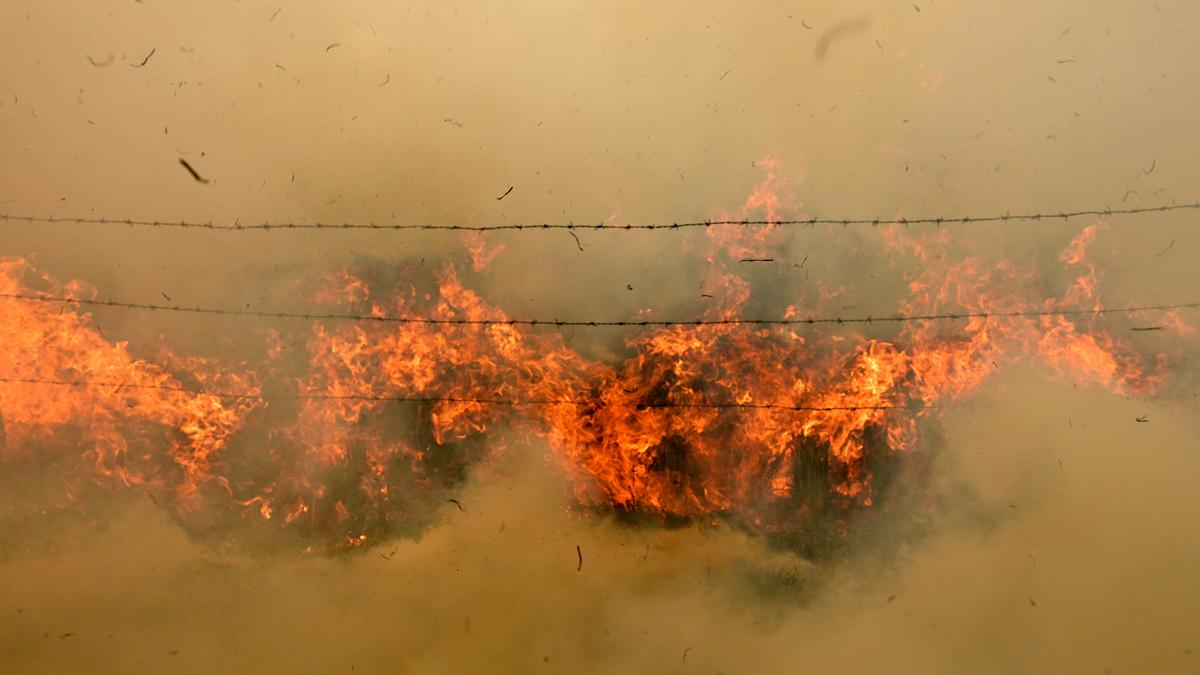
A new academic study conducted by researchers Sujit Raghunathrao Jagadale and Javed M. Shaikh from the Indian Institute of Management Amritsar offers a fresh analytical framework for understanding the seasonal crisis of stubble burning. The research examines the issue through the dual lenses of market failure and governmentality, a concept derived from political theory that describes how state administrative techniques shape citizen behavior. By evaluating current agricultural policies, the authors demonstrate that standard regulatory interventions often fail because they treat crop residue management primarily as an enforcement issue rather than a structural economic challenge.
The study points out that market mechanisms currently offer limited profitable alternatives for farmers who need to clear fields rapidly between crop cycles. The narrow time window between harvesting rice and sowing wheat leaves growers with few affordable options. Heavy administrative penalties or subsidized machinery distributions often do not match ground realities, as small-scale farmers struggle with high machinery operational costs and unreliable supply chains. Consequently, traditional administrative measures create friction between state authorities and farming communities, reinforcing the cycle of open-field burning despite strict formal bans and legal prohibitions.
For readers in India, this analysis is deeply relevant because agricultural fires in northern states contribute heavily to severe winter air pollution across the Indo-Gangetic plain. Hazardous smog routinely impacts public health, school schedules, and economic activity across major urban centers, including the National Capital Region. Moving beyond punitive measures toward systemic economic incentives is essential for long-term air quality management. Understanding how regulatory frameworks interact with rural market realities can assist policymakers in crafting more balanced strategies that protect public health while safeguarding the financial security of farming households across the country.
Comments 0