How technical glitches crippled ration distribution in Karnataka and left half of the 1.25 crore beneficiaries in a lurch
Technical glitches severely disrupted the public ration distribution network in Karnataka, leaving over 60 lakh beneficiaries stranded without access to essential food items. State officials are attempting to resolve the server failures while long queues persist at fair price shops.
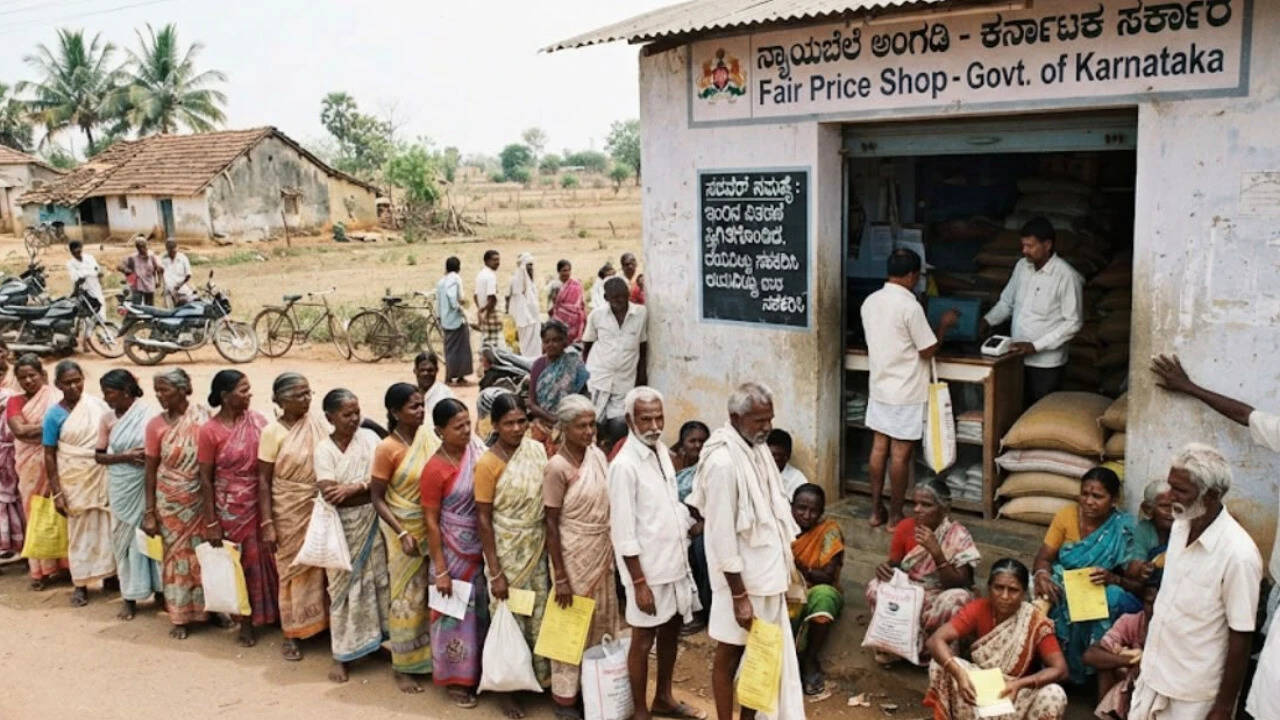
A widespread technical failure severely disrupted the Public Distribution System across Karnataka, leaving roughly half of the state's 1.25 crore beneficiaries unable to collect their monthly food grains. The breakdown stemmed from severe server outages and software glitches within the digital authentication network used by fair price shops. As a direct result, long queues formed outside distribution centers across multiple districts, with frustrated citizens waiting for hours only to be turned away without their entitled provisions of rice and wheat.
The digital ration delivery mechanism relies heavily on biometric verification and electronic point-of-sale devices to record transactions and prevent system fraud. When central databases experience unexpected downtime or slow processing speeds, local vendors are completely unable to process sales or issue physical receipts. State authorities scrambled to resolve the network bottleneck, but the prolonged outage revealed significant operational flaws in the technological architecture that underpins the state's primary social welfare safety net for low-income residents.
This crisis highlights the immediate risks associated with complete digital dependence in essential public services across India. For millions of low-income households, timely access to subsidized food rations is directly tied to daily nutrition and basic financial survival. When technical infrastructure fails without immediate offline contingency plans, vulnerable populations bear the heaviest burden. The situation serves as an urgent reminder for state governments to build resilient backup systems while modernizing their welfare delivery networks across the nation.
Comments 0