Hyderabad Reuses Only 3.5% of Treated Wastewater, Study Finds
A recent study revealed that Hyderabad recycles a mere 3.5 percent of its treated wastewater, exposing a critical shortfall in water management. The revelation has prompted calls for urgent policy overhaul amid growing scarcity concerns.
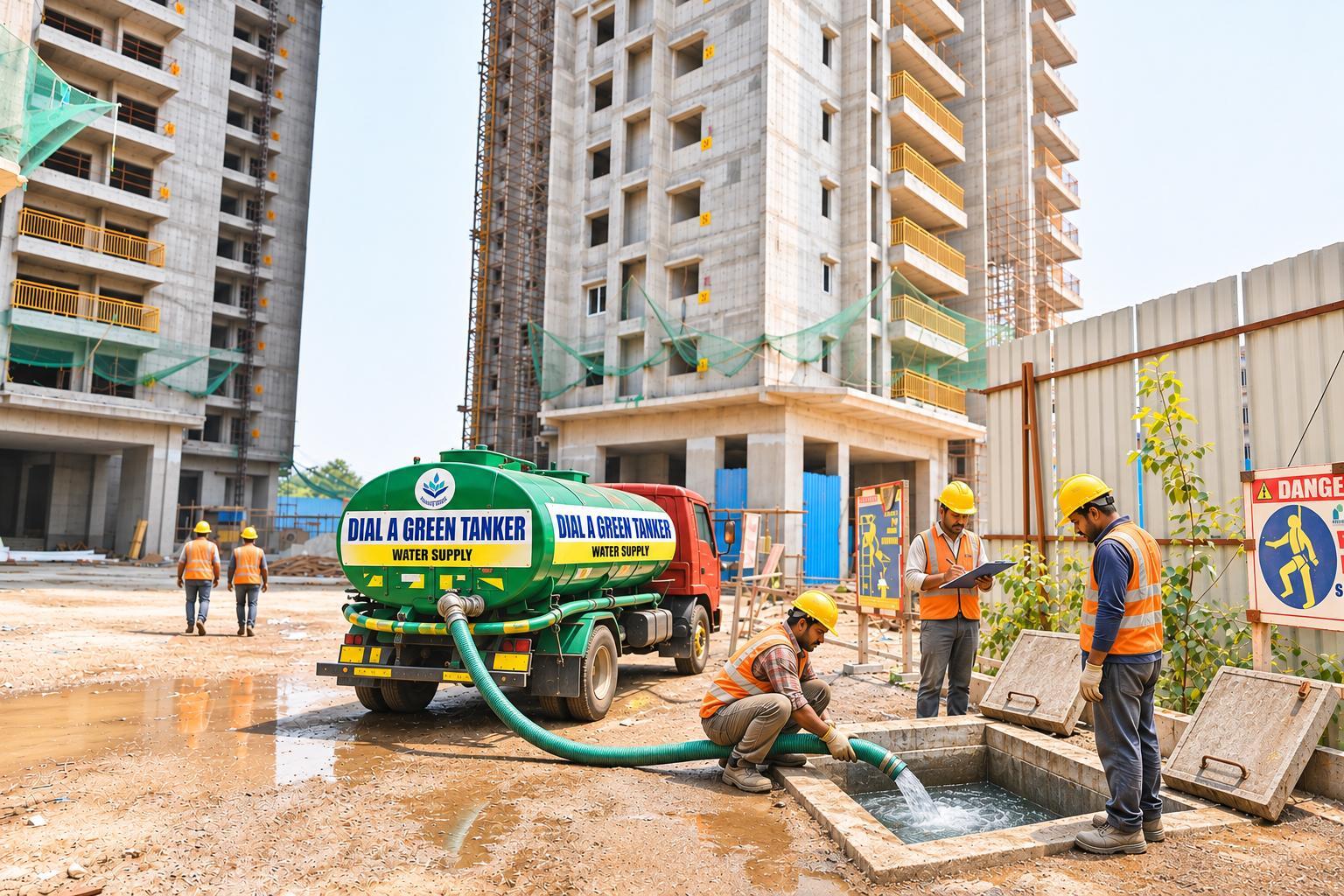
The analysis, conducted by a local environmental consultancy, measured the volume of treated effluent released by Hyderabad’s municipal treatment plants and compared it with the city’s total water demand. The stark figure, just 3.5 percent reuse, highlights a systemic inefficiency that leaves the metropolis vulnerable to drought conditions, especially as climate variability intensifies. Municipal officials acknowledged the gap and indicated that existing infrastructure constraints and regulatory bottlenecks impede broader adoption of reuse practices.
Underlying the shortfall is a complex web of institutional inertia, fragmented governance, and limited public awareness. The water department’s coordination with industrial users and agricultural stakeholders remains weak, while policy frameworks lack enforceable targets for reuse. Moreover, the absence of financial incentives for private investors to develop recycling facilities hampers scaling efforts. This institutional friction has allowed the status quo to persist despite repeated warnings from water experts.
The downstream impact is already evident in rising water tariffs and heightened competition for limited supplies among households and businesses. Experts warn that without a decisive shift toward circular water use, the city may face acute shortages that could disrupt economic activity and exacerbate social inequities. Anticipated measures include stricter discharge standards, subsidies for reuse technologies, and public campaigns to promote conservation, all aimed at reversing the current trajectory.
Comments 0