Hyderabad’s Groundwater Reserves Depleted to 70%, Most Units Declared Over‑Exploited
A recent audit reveals that seventy percent of Hyderabad’s annual groundwater quota has been consumed, with fifteen of sixteen monitoring units exceeding sustainable limits. The findings raise alarms over the city’s long‑term water security.
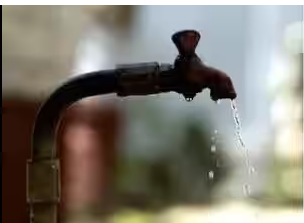
The concrete rupture was exposed in a technical report released by the municipal water authority, which detailed that the city’s groundwater extraction has reached a level that threatens the stability of its aquifers. The document listed fifteen out of sixteen monitoring stations as over‑exploited, indicating that the current withdrawal rate far outpaces natural recharge. The immediate shockwave was felt among residents who reported intermittent supply cuts and rising water bills, prompting civic groups to demand urgent remedial action.
Underlying tension stems from rapid urban expansion and the proliferation of private borewells that have outstripped regulatory oversight. Environmental NGOs argue that the city’s planning authorities have failed to enforce existing restrictions, while municipal officials contend that industrial demand and population growth have forced a re‑evaluation of water allocation policies. The debate has entered the state legislature, where lawmakers are considering amendments to the groundwater extraction licensing framework.
Downstream casualties include a heightened risk of land subsidence, which could damage infrastructure such as roads and underground utilities. The scarcity also threatens agricultural plots on the city’s periphery, potentially driving up food prices. In response, the municipal corporation has announced a pilot programme for rainwater harvesting and the promotion of recycled water for non‑potable uses, measures that could reshape the city’s water management paradigm over the next twelve months.
Comments 0