IIT Bombay's Silent Crisis: The Political Fallout of a Student's Death
The suicide of a student at IIT Bombay has triggered a political intervention, with Rahul Gandhi speaking to the family and assuring support, signaling a broader critique of the mental health infrastructure in India's elite institutions. The incident exposes the gap between the prestige of these institutions and the human cost of their academic pressure.
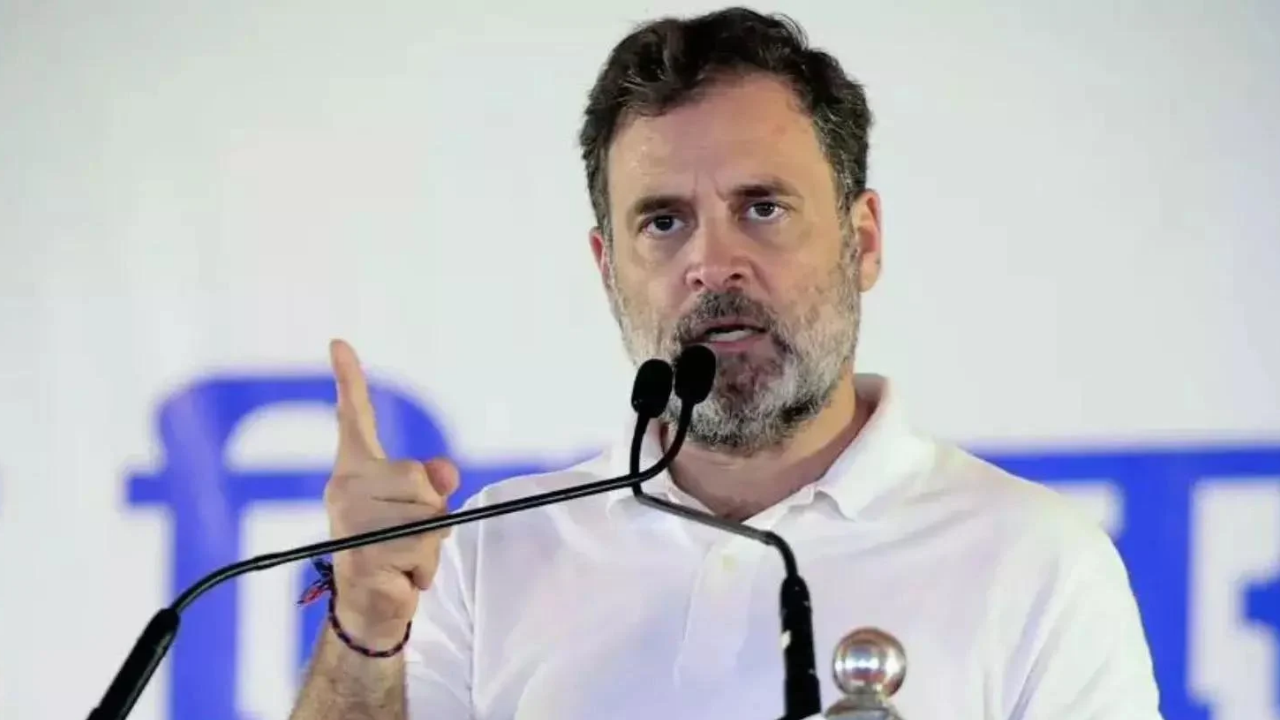
The death of a student at IIT Bombay has transcended the boundaries of campus tragedy, becoming a flashpoint for national political discourse. Rahul Gandhi's direct engagement with the family is a calculated move to highlight the systemic failures in student welfare at India's premier technical institutions. This is not just a story of individual grief; it is a indictment of a culture that prioritizes academic excellence over human well-being, a culture that has claimed numerous lives in recent years. The underlying tension is between the institution's reputation for producing top-tier engineers and the reality of the mental health crisis that plagues its students. The political intervention underscores the lack of effective, independent oversight of student welfare policies, leaving institutions to manage their own crises with little accountability. The friction is further exacerbated by the stigma surrounding mental health in Indian society, which often prevents students from seeking help and allows institutions to downplay the severity of the issue. The downstream consequence of this political attention will be a demand for structural reforms in student mental health support systems across IITs and other elite institutions. We can expect a surge in policy discussions, potential legislative changes, and increased funding for counseling services. However, the tangible outcome may be limited to superficial changes unless there is a fundamental shift in the institutional culture. The next twelve months will see a test of whether political pressure can translate into meaningful institutional change, or if it will be another cycle of outrage followed by silence.
Comments 0