NASA Supersonic Aircraft Takes to American Skies in Quest for Quiet High-Speed Flight
NASA's experimental X-59 supersonic aircraft completed visible test flights over the United States, advancing research into reducing sonic booms. The aviation milestone represents a critical step toward overturning decades-old regulatory bans on commercial supersonic travel overland.
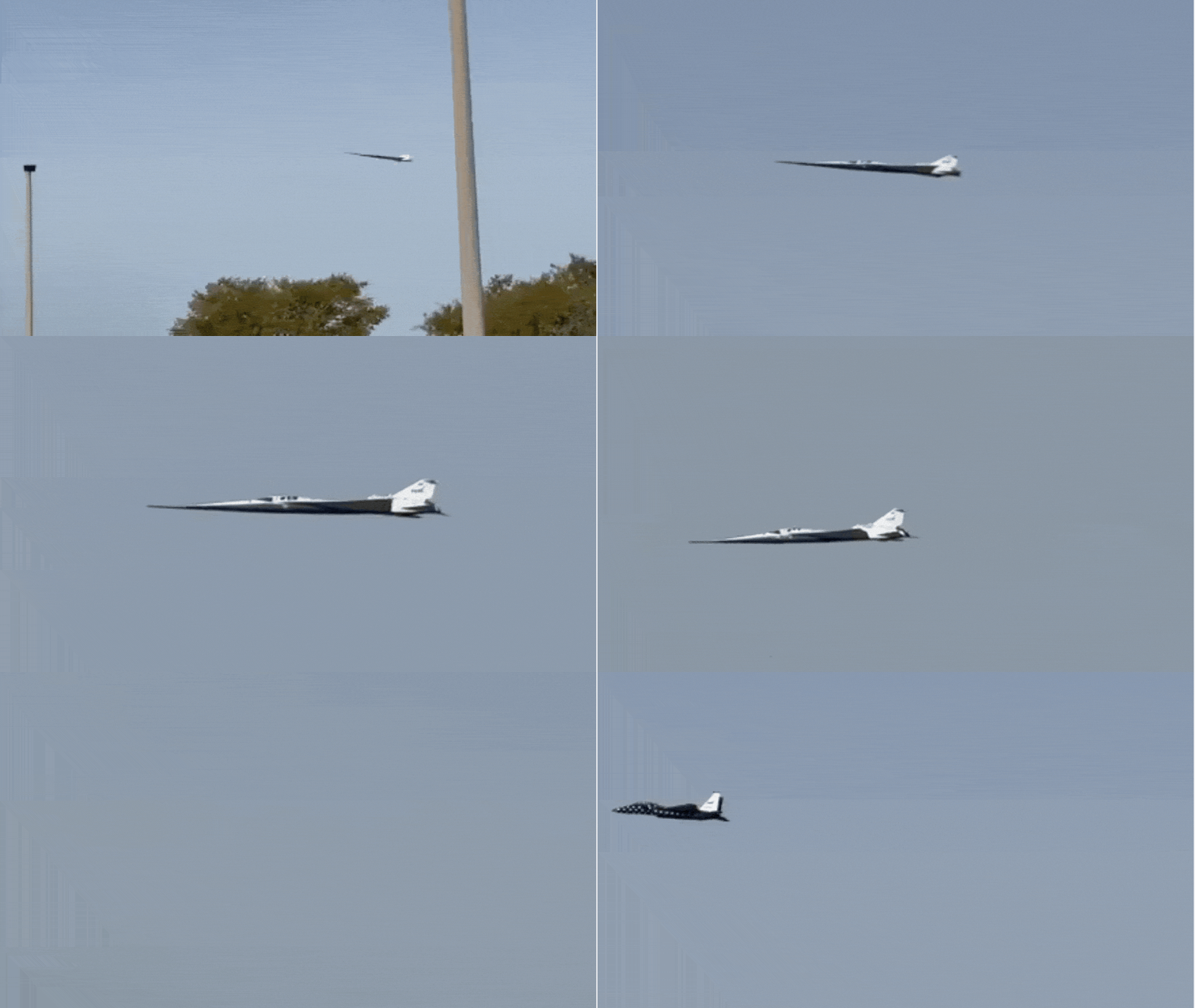
Aviation history marked a visible milestone as NASA's slender X-59 supersonic aircraft conducted test flights across the skies of the United States. Designed with a uniquely elongated fuselage and precise aerodynamic contours, the experimental jet represents an engineering attempt to suppress the thunderous sonic boom that has historically plagued high-speed aircraft. The successful flight demonstrations offer tangible evidence that aeronautical engineers may finally be closing in on quiet supersonic technology, bringing commercial high-speed flight back into practical consideration for major domestic and international flight corridors.
Ever since commercial supersonic flight was restricted by federal regulations decades ago due to acoustic pollution, aerospace manufacturers have faced severe financial and technological barriers to overland travel. The X-59 project, executed in collaboration with industrial defense partners, seeks to gather ground-level sound data to persuade regulatory bodies such as the Federal Aviation Administration to replace absolute speed bans with noise-based standards. Overcoming public noise complaints while satisfying environmental regulations remains a formidable institutional hurdle before any private manufacturer can commercialize quiet supersonic passenger networks.
The progress of the X-59 program reshapes the future roadmap for global commercial aviation and defense mobility. Successful validation of quiet supersonic acoustics will clear the way for commercial airframe developers to invest in next-generation high-speed passenger jets, dramatically shortening long-haul transit times across continents. Furthermore, the test data collected during these flight sweeps will establish global acoustic benchmarks, forcing civil aviation authorities worldwide to update noise compliance frameworks for future commercial fleets operating at trans-oceanic and trans-continental scales.
Comments 0