India and Egypt: A New Trade Frontier for Farmers and Fishermen
India and Egypt have agreed to explore a potential trade pact with a specific focus on the interests of farmers, fishermen, and small workers. This move signals a strategic shift in India's trade policy, aiming to create a more inclusive economic partnership that benefits the grassroots level of both economies.
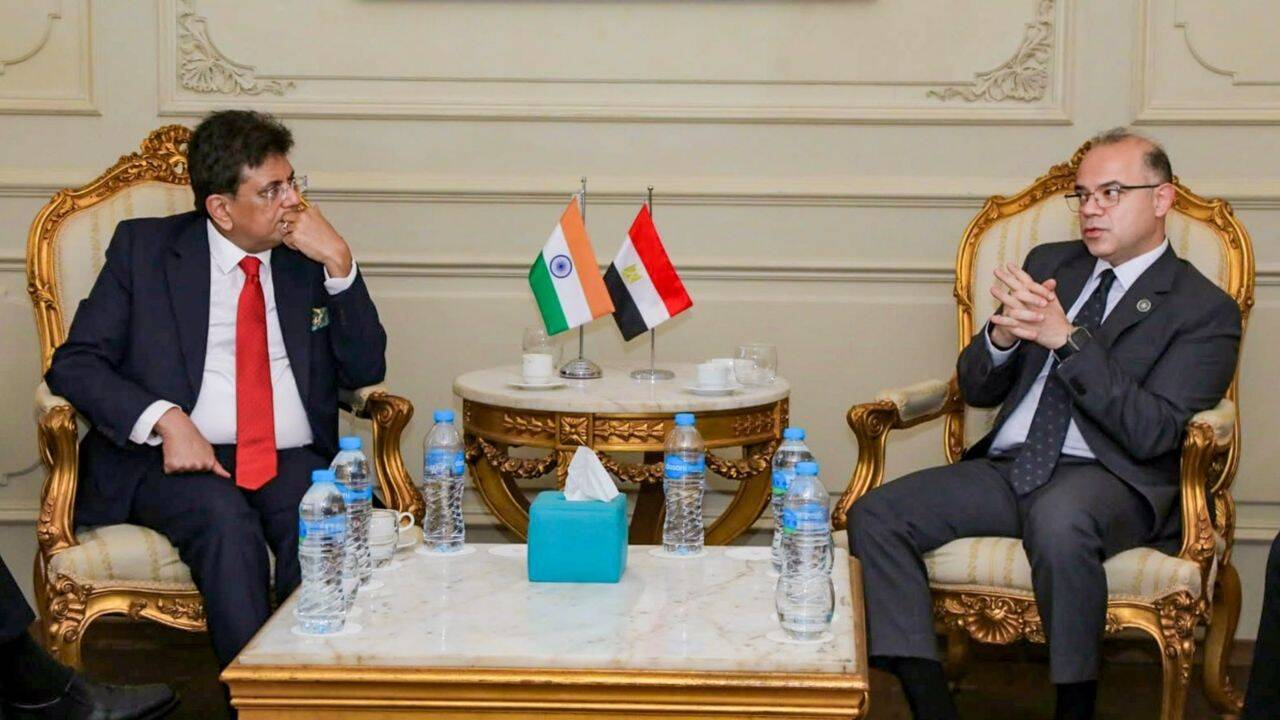
The concrete rupture in the traditional trade narrative is the explicit focus on farmers, fishermen, and small workers in the proposed India Egypt trade pact. This is a departure from the usual high level discussions on macro economic indicators and large scale industrial deals. By centering the agreement on the livelihoods of the most vulnerable segments of the population, both countries are signaling a commitment to a more equitable form of globalization. The pact, if finalized, will create new market access for Indian agricultural and fishery products in Egypt, a country with a growing population and a demand for food security.
The underlying tension is rooted in the need for both countries to diversify their trade partners and reduce their dependence on traditional markets. For India, Egypt offers a gateway to the African and Middle Eastern markets, while for Egypt, India provides a source of affordable food and agricultural inputs. The institutional friction here is between the need for rapid economic growth and the need to ensure that the benefits of trade are distributed fairly. The pact is an attempt to address this tension by creating a framework that prioritizes the interests of the small and medium scale producers.
The downstream casualties of this trade pact will be a more competitive environment for local producers in both countries. Indian farmers and fishermen will face new challenges in meeting the quality and quantity standards required for export to Egypt. The tangible outcome is a more integrated supply chain, with increased investment in infrastructure and logistics to support the new trade flows. The long term consequence is a more resilient and diversified agricultural sector in both countries, better equipped to withstand the shocks of global market volatility.
Comments 0