India and Nepal Forge Strategic Ties with Rs 15,000 Crore Package
Prime Minister Modi and Nepal’s Prime Minister Balen Shah have agreed to a Rs 15,000 crore economic package, including a new Ayodhya-Janakpur train link and multiple memoranda of understanding. This agreement deepens bilateral integration and positions Nepal as a key partner in India’s regional connectivity strategy.
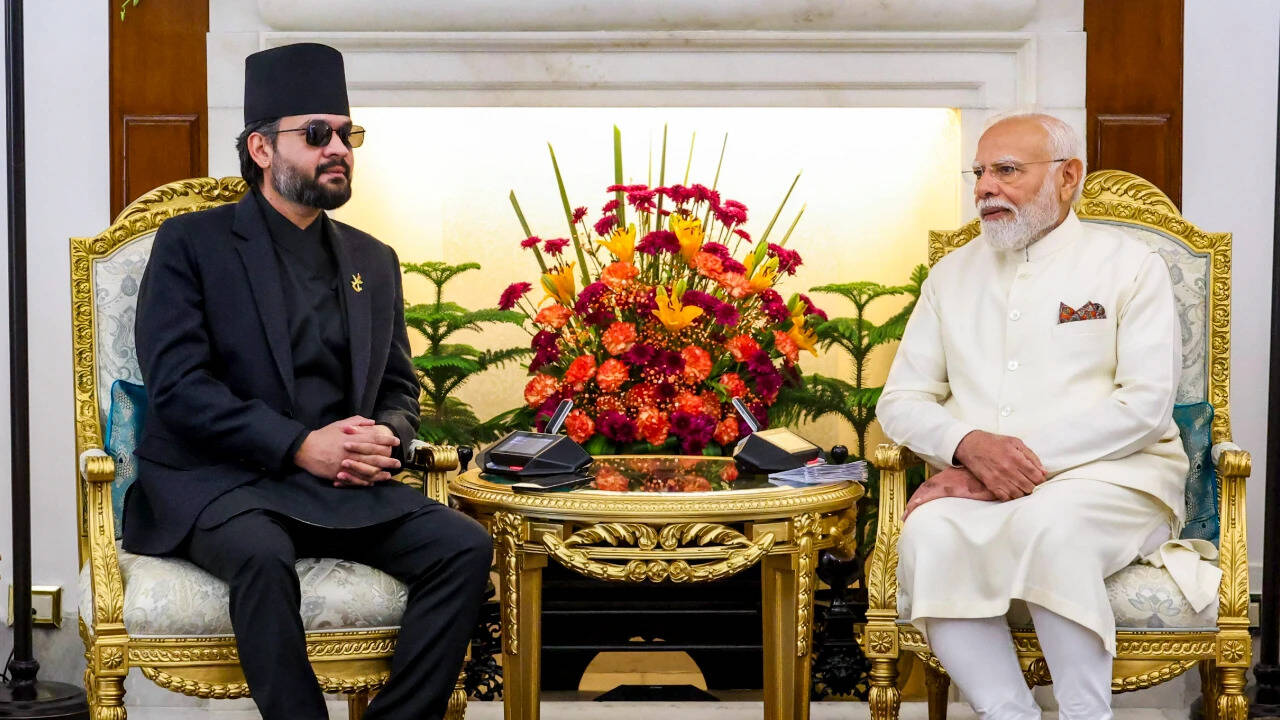
The agreement between Prime Minister Modi and Nepal’s Prime Minister Balen Shah marks a significant escalation in bilateral economic and strategic cooperation. The Rs 15,000 crore package, which includes the development of a new Ayodhya-Janakpur train link, is designed to enhance physical connectivity and facilitate trade between the two nations. This move is part of a broader strategy to integrate Nepal more closely into India’s regional economic framework, reducing its reliance on other neighbors and strengthening the bilateral bond. The inclusion of multiple memoranda of understanding signals a comprehensive approach to cooperation, covering areas beyond just infrastructure.
The underlying tension in this partnership is the delicate balance between economic integration and political sovereignty. While the economic benefits are clear, the deepening ties also raise questions about Nepal’s strategic autonomy and its relationship with other regional powers. The Ayodhya-Janakpur train link, in particular, has symbolic significance, connecting two important religious sites and reinforcing cultural and historical ties. However, it also requires significant investment and coordination, which could be a source of friction if not managed effectively. The agreement reflects a mutual recognition of the benefits of closer cooperation, but it also requires careful navigation of political sensitivities.
The downstream consequences of this agreement are likely to be substantial for both nations. The new train link will facilitate the movement of people and goods, boosting trade and tourism. The broader economic package will create new opportunities for Indian businesses in Nepal and vice versa, leading to increased economic activity and job creation. However, the success of these initiatives will depend on effective implementation and the ability to overcome bureaucratic and logistical challenges. The agreement also sets a precedent for deeper regional integration, potentially influencing other bilateral relationships in the region.
Comments 0