India Shifts Oil Imports to Gulf as Russian Crude Loses Price Edge
India has increased its crude oil imports from the Persian Gulf, surpassing Russian volumes for the first time since the Iran conflict disrupted supply chains. This shift reflects a strategic recalibration of energy sourcing as Russian crude loses its price advantage, impacting global trade dynamics and India's fiscal position.
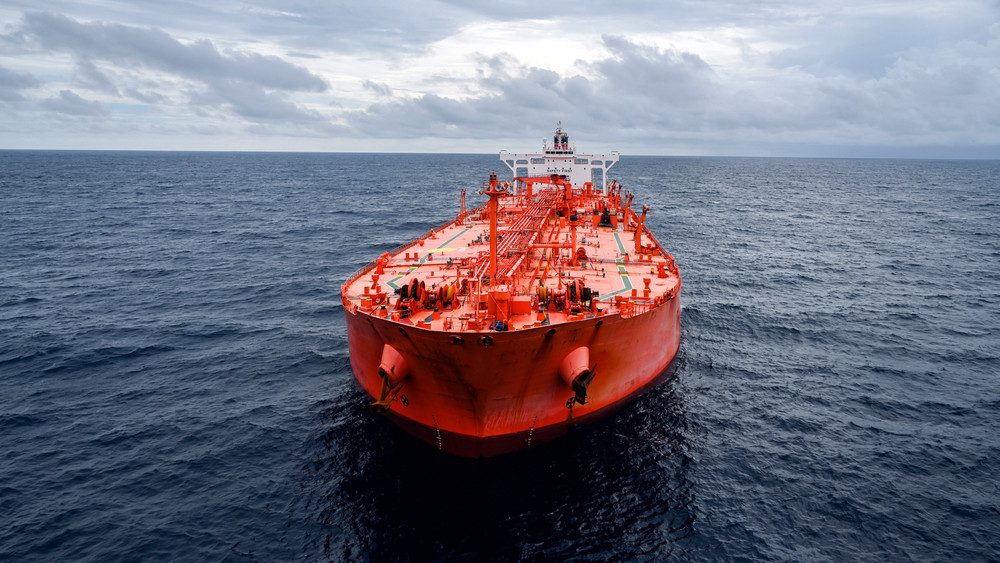
The concrete rupture in India's energy strategy is the visible shift in import patterns, with Gulf crude now outpacing Russian supplies. This change is not merely a temporary fluctuation but a significant adjustment in response to the loss of the price advantage that Russian oil had enjoyed. The disruption caused by the Iran conflict and the subsequent instability in the Strait of Hormuz has forced Indian refiners to diversify their sources, leading to a higher volume of purchases from the Gulf. This shift has immediate implications for the global oil market, as it reduces the demand for Russian crude and potentially affects the pricing power of Russian exporters.
The underlying tension is the delicate balance between economic efficiency and geopolitical risk in India's energy policy. India has long relied on Russian crude for its competitive pricing, but the current situation has exposed the vulnerabilities of this dependency. The shift to Gulf oil, while more expensive in the short term, offers a more stable and secure supply chain, reducing the risk of disruption from geopolitical conflicts. This decision reflects a broader trend in India's energy strategy, which is increasingly focused on diversification and resilience. The institutional friction here involves the coordination between the government and private refiners, who must navigate the complex of global oil markets and domestic policy constraints.
The downstream casualties of this shift include the Russian economy, which may face reduced revenues from oil exports to India. For India, the higher cost of Gulf crude could lead to increased fuel prices, putting pressure on the government to manage inflation and maintain economic stability. The global impact is a rebalancing of trade flows, with Gulf countries gaining a larger share of the Indian market. This shift also has implications for the energy security of other countries that rely on Russian oil, as the reduced demand may lead to further price volatility. The long-term outcome will depend on how India manages this transition and whether it can secure favorable terms with Gulf suppliers.
Comments 0