Indian Railways Triples High Speed Track Capacity While Passenger Punctuality Lags Behind
Ministry of Railways data reveals a fivefold expansion of tracks capable of handling 130 kilometers per hour operations over the past twelve years. Despite this massive infrastructure upgrade, system-wide punctuality hovers stubbornly at seventy-seven percent.
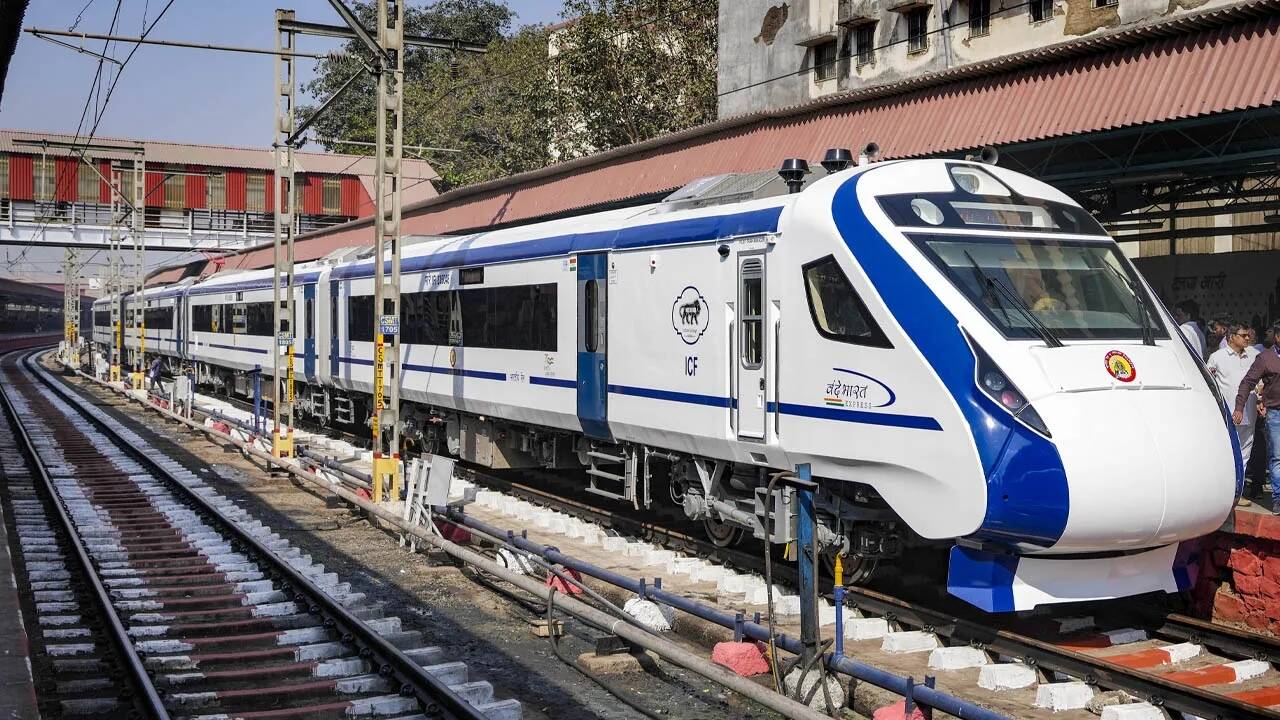
The aggressive capital expenditure program undertaken by the national transporter has successfully eliminated numerous historical bottlenecks, allowing high-speed corridors to proliferate across major trunk routes. Billions of rupees directed toward track renewal and electrification have modernized the physical skeleton of the network. Yet, this modernization has created a dual-speed network where high-priority express services frequently conflict with congested freight and regional commuter traffic. The root cause of the punctuality deficit lies in the structural congestion of legacy choke points that persist despite track upgrades. Operating high-speed rakes on shared rail assets without sophisticated automated signaling creates cascading delays when minor disruptions occur. Railway administrators find themselves trapped between the political imperative to commission prestige high-speed services and the mundane operational reality of managing mixed-traffic density. The tangible outcome is a frustrated commuter base that experiences minimal tangible improvement in journey reliability despite massive national investments. Freight operators also absorb hidden costs as logistical schedules remain unpredictable, undermining the commercial objectives of dedicated freight corridors. Over the long term, the ministry must prioritize complete signaling automation over mere track speed enhancements to bridge the gap between capital output and service delivery.
Comments 0