India's Aviation Gap: The Thousand Plane Deficit
Civil Aviation Minister Piyush Goyal has declared an acute shortage of over 1,000 civilian aircraft, a structural deficit that threatens to cap the sector's rapid expansion. This admission signals a critical bottleneck in India's push to become a global aviation hub, with immediate implications for supply chains and domestic connectivity.
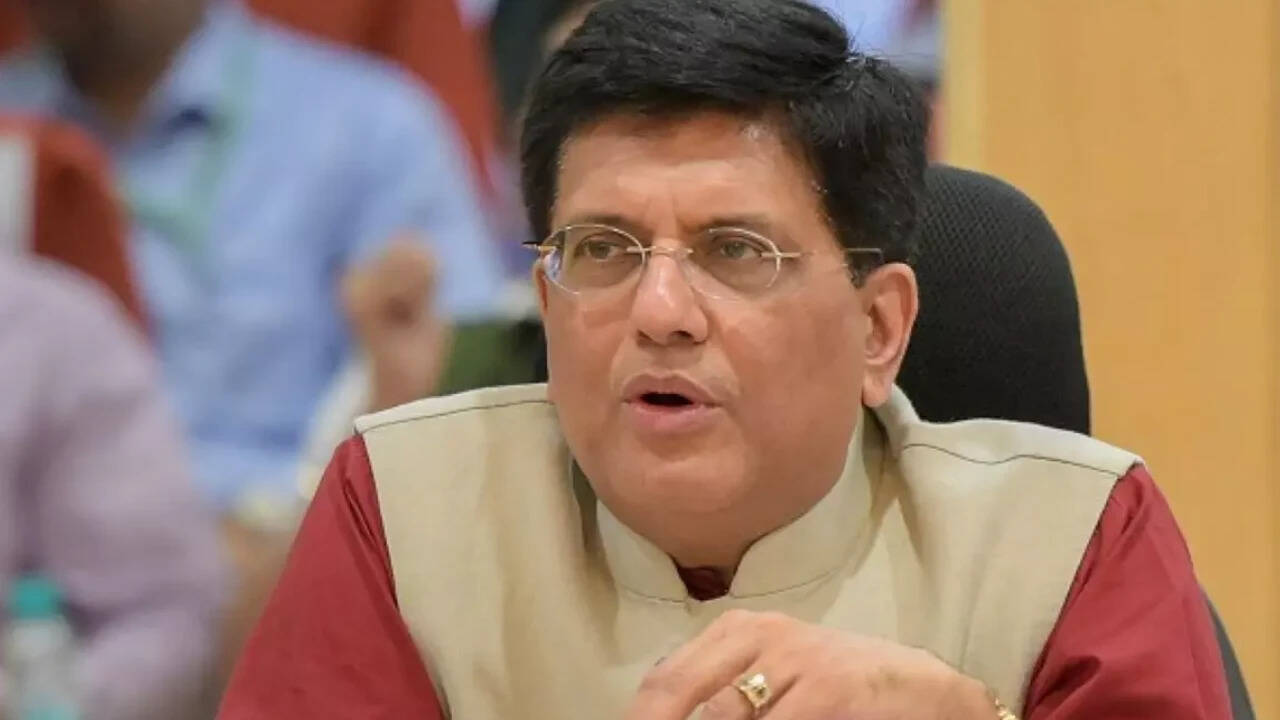
The Indian aviation sector, long celebrated for its double-digit growth, is confronting a stark physical limitation that policy alone cannot resolve. Piyush Goyal, the Union Minister for Civil Aviation, has publicly acknowledged that the country faces an acute shortage of more than 1,000 civilian aircraft. This is not a temporary glitch but a systemic gap that has widened as passenger demand surged post-pandemic, outpacing the capacity of global manufacturers to deliver new airframes. The minister's statement serves as a formal recognition that the existing fleet is stretched to its operational limits, forcing airlines to delay retirements and push maintenance schedules to the breaking point.
The underlying tension lies in the mismatch between India's ambitious infrastructure goals and the rigid realities of global aerospace manufacturing. Aircraft production is a capital-intensive, slow-cycle industry dominated by a duopoly, Boeing and Airbus, neither of which can scale output rapidly enough to meet a single nation's sudden demand. India's push to become a manufacturing hub for parts and final assembly is still in its nascent stages, meaning the country remains heavily dependent on imports for the core assets of its aviation economy. This dependency creates a vulnerability where geopolitical tensions or supply chain disruptions elsewhere can directly impact domestic air connectivity and ticket pricing.
The downstream consequences of this shortage are already visible in the form of increased flight cancellations, reduced route frequency, and soaring airfares that price out the middle-income traveler. For the government, the challenge is no longer just about building airports, but about securing a reliable pipeline of aircraft that does not exist in the current global market. The next decade will likely see a fierce competition among Indian airlines for available slots in manufacturer order books, potentially leading to a consolidation of the industry as smaller carriers struggle to secure the hardware needed to compete. The 1,000-plane deficit is not just a logistics problem; it is a strategic constraint on India's economic mobility.
Comments 0