India’s Frontier Guard Signals Persistent Standoff with China Along Arunachal
The Indian Indo‑Tibetan Border Police chief warned that confrontations along the Arunachal frontier remain ongoing, heightening security alerts in the region. The statement has prompted the Ministry of Defence to review troop allocations and border infrastructure projects.
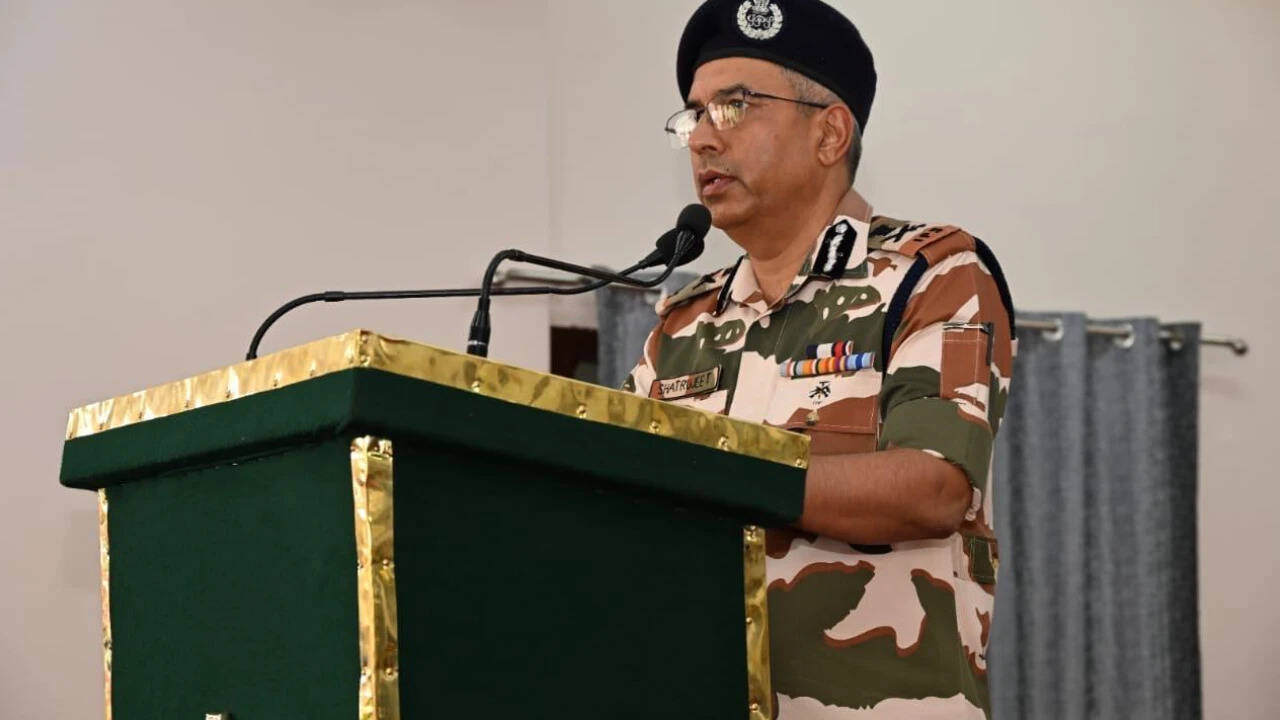
The concrete rupture emerged when the ITBP chief publicly affirmed that skirmishes along the Arunachal Pradesh border with China have not abated, citing recent patrol encounters and artillery exchanges. This admission underscores a shift from diplomatic platitudes to a candid acknowledgment of a live conflict zone, compelling senior officials to reassess operational readiness on a frontier that has long been a flashpoint.
Underlying tension traces back to the 1962 war and the ambiguous Line of Actual Control that separates the two powers. Recent satellite imagery has revealed parallel road construction and fortified outposts, while diplomatic channels report a stalemate in bilateral talks. Institutional friction is evident as the Ministry of Home Affairs, which oversees the ITBP, and the Ministry of Defence negotiate jurisdiction over joint operations, revealing a layered bureaucracy that must adapt to a fluid security environment.
The downstream casualties manifest in accelerated procurement of high‑altitude weaponry, increased budgetary allocations for border roads, and a surge in local displacement as civilian settlements near contested zones face heightened military activity. Political leaders in New Delhi are now compelled to balance nationalist rhetoric with pragmatic resource distribution, while the civilian populace anticipates a prolonged period of heightened vigilance and restricted movement.
Comments 0