India’s SCO Invitation to Pakistan Sparks Parliamentary Firestorm
The government’s decision to extend a Shanghai Cooperation Organisation invitation to Pakistan ignited a storm of criticism in the lower house, forcing ministers to defend a policy seen as compromising national security. The episode has already reshaped the narrative of India’s foreign policy ahead of the upcoming general elections.
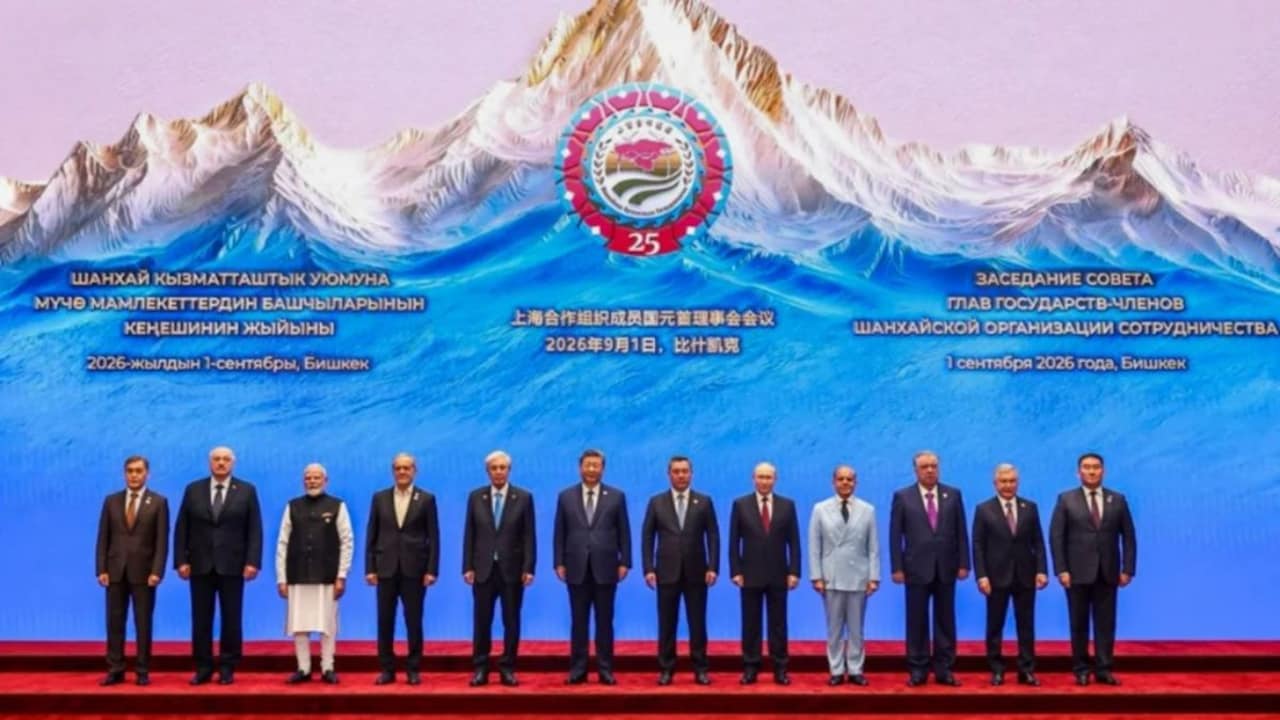
On October twenty‑eighth, New Delhi announced that all members of the Shanghai Cooperation Organisation, including Pakistan, would receive invitations to the forthcoming summit, a move framed as adherence to established practice. The decision arrived at a time when bilateral ties with Islamabad remain strained over cross‑border terrorism and water disputes, and it signalled a willingness to engage despite lingering mistrust. By extending the invitation, the foreign ministry sought to preserve India’s standing within the multilateral forum and to avoid diplomatic isolation, yet the gesture was interpreted by many as a concession to a long‑standing adversary.
Parliamentary opposition seized upon the invitation, arguing that it undermined the government’s hard‑line stance on security and rewarded a neighbour accused of supporting insurgent groups. Senior leaders of the principal opposition party raised the issue in a heated debate, demanding a parliamentary vote before any further engagement. The criticism was amplified by regional parties that fear any softening could embolden separatist sentiments in contested border areas. Institutional friction surfaced as the Ministry of External Affairs defended its prerogative to conduct foreign outreach, while the Home Ministry warned of potential internal security repercussions, highlighting a classic tug‑of‑war between diplomatic flexibility and domestic hardening.
The reverberations of the episode are already evident in diplomatic circles and electoral calculations. Analysts predict that the controversy will force the ruling coalition to adopt a more guarded tone in future multilateral engagements, potentially limiting India’s influence within the SCO. At the same time, the episode may energise nationalist narratives that could sway swing voters in key constituencies, thereby reshaping campaign strategies. In the longer term, the invitation could either pave the way for incremental confidence‑building measures with Pakistan or cement a perception of policy inconsistency that weakens India’s strategic posture in Central and South Asia.
Comments 0