Supreme Court Extends Stay on Azam Khan Conviction, Shielding Family from Imprisonment
The apex court upheld a stay on the conviction of Uttar Pradesh minister Azam Khan in a forged birth‑certificate case, extending relief to his wife and son. The ruling has intensified political calculations ahead of state elections.
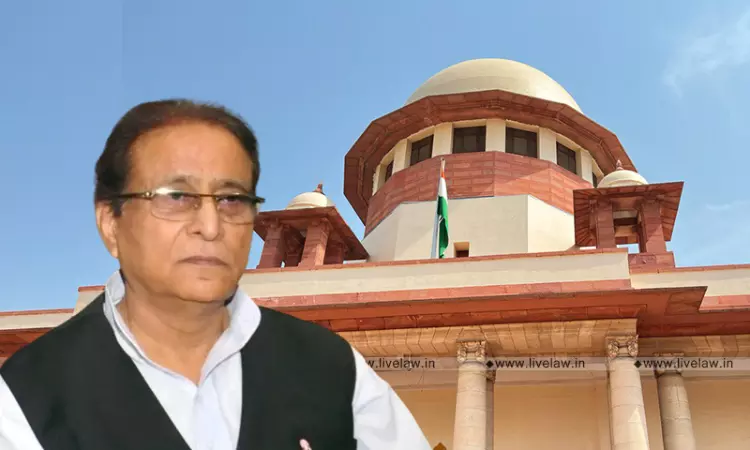
In a decisive hearing, the Supreme Court affirmed a stay on the conviction of Azam Khan, a senior figure in the Samajwadi Party, relating to allegations of forging a birth certificate for his son. The bench also extended the same relief to Khan’s wife, thereby preventing immediate incarceration for the trio. The judgment came after a petition argued that the trial had been marred by procedural irregularities and that the conviction threatened the principle of fair trial. By granting the stay, the court signalled a willingness to intervene in high‑profile cases where due‑process concerns are raised.
The decision has reverberated through the political of Uttar Pradesh, a state where caste dynamics and party loyalties play a decisive role in electoral outcomes. Opposition parties have seized upon the ruling to question the impartiality of the judiciary, while the ruling coalition has framed the stay as evidence of judicial independence protecting elected representatives from politically motivated prosecutions. Within the Samajwadi Party, the relief has been hailed as a morale booster, reinforcing the narrative that the party’s leadership remains resilient against legal challenges. Meanwhile, civil‑society groups have called for a transparent investigation into the alleged irregularities, urging that justice be served without fear or favour.
The downstream impact of the judgment may shape the upcoming state assembly elections, where Azam Khan’s legal standing could influence voter sentiment in his constituency and beyond. If the stay is eventually lifted, the party could face a leadership vacuum, prompting a reshuffle of candidacies and alliances. Conversely, a prolonged legal shield may embolden other regional leaders facing similar charges to seek judicial relief, potentially altering the balance of power between the executive and the judiciary. The episode underscores the intricate interplay between law and politics in India’s most populous state.
Comments 0