Industrial Machinery Friction as China Restricts Export of Tunnel Borers
Beijing is tightening export controls on giant tunnel-digging machines, a move that threatens to delay complex infrastructure projects across developing economies including India. The restriction exposes vulnerabilities in specialized heavy engineering supply chains.
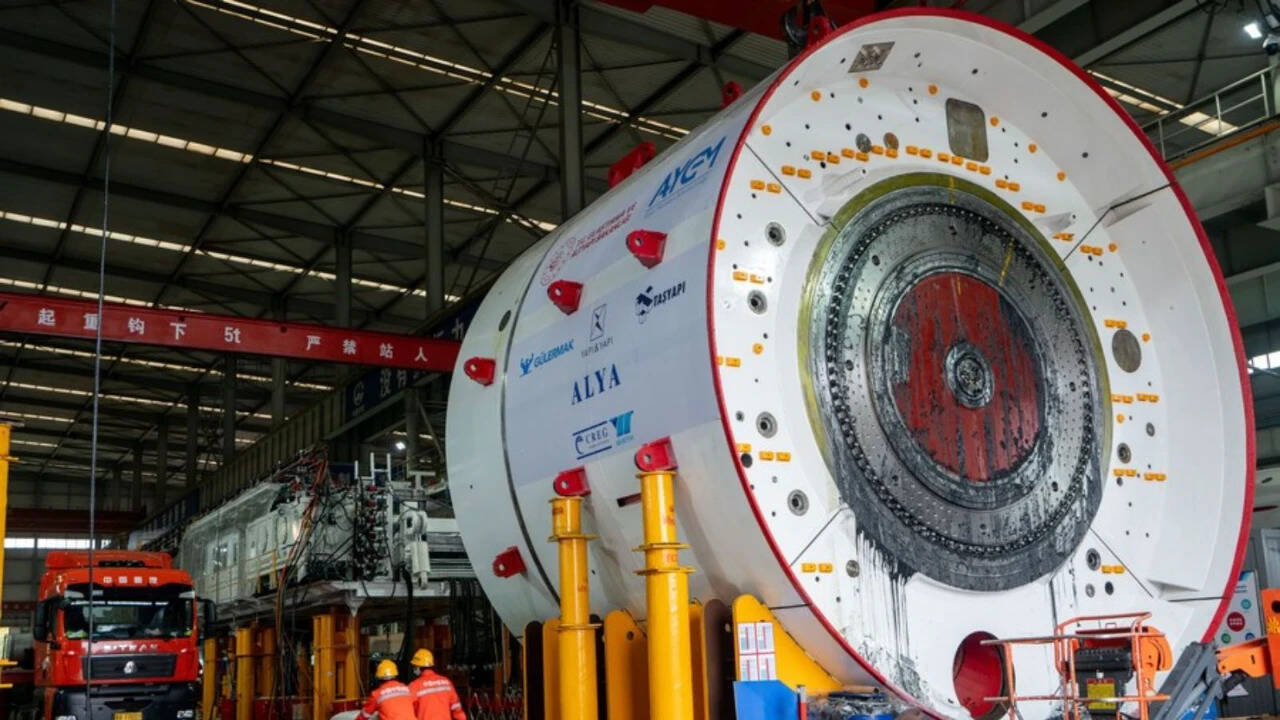
Modern civil engineering relies heavily on massive boring machines capable of carving through subterranean rock for transit and water systems. As geopolitical trade dynamics shift toward industrial protectionism, Beijing has initiated stringent export restrictions on these specialized mega-machines. Because manufacturing capacity for such complex mechanical apparatus is concentrated among a few global suppliers, sudden regulatory barriers create immediate bottlenecks for international civil works.
The underlying tension stems from the weaponization of industrial supply chains for strategic geopolitical leverage. Nations embarking on aggressive modernization programs have long relied on imported heavy machinery to accelerate urban tunneling and mountain transit routes. When exporting nations restrict these critical engineering assets, importing economies face stark choices between domestic manufacturing substitution and costly project delays, intensifying the competition for alternative industrial partners.
The immediate consequence for regional infrastructure developers is an urgent scramble to source heavy boring equipment from European, Japanese, or domestic engineering firms. Project timelines for underground transit networks and hydroelectric tunnels are facing upward revisions as procurement costs escalate. Ultimately, this export restriction will force importing nations to prioritize indigenous heavy engineering capacity over the next fiscal cycle.
Comments 0