Why Sikkim is the only Indian state without a railway station, and when it will finally get one
Sikkim remains the only state in India without an operational railway station due to its difficult mountainous terrain and complex engineering demands. Construction is currently underway on the Sevoke-Rangpo rail line project, which aims to bring direct rail connectivity to the Himalayan state for the first time.
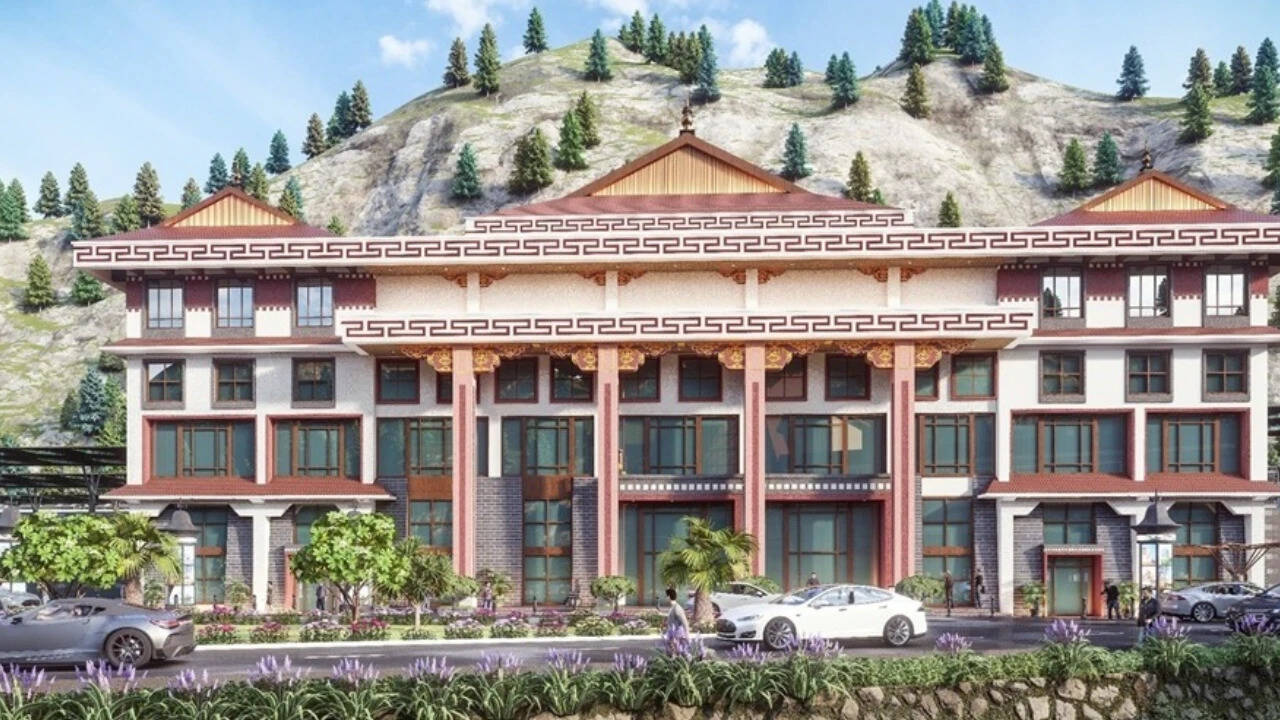
Sikkim has long stood as the sole Indian state lacking a functional railway network, primarily due to the severe geographical challenges posed by the steep Himalayan mountain terrain. Historically, residents and visitors have relied exclusively on steep winding roads and air travel through the regional airport to reach the landlocked state. Heavy landslides, seasonal monsoon rains, and fragile soil structures have historically complicated major infrastructure projects, significantly delaying efforts to construct traditional railway tracks across the region.
To resolve this long-standing connectivity gap, the Indian Railways initiated the ambitious Sevoke to Rangpo rail project, designed to bridge West Bengal and Sikkim through an extensive network of tunnels and bridges. Most of the proposed track runs underground through complex rock formations to protect the infrastructure from surface landslips and extreme weather conditions. Engineering teams have had to employ specialized excavation techniques to navigate fragile eco-sensitive zones while constructing heavy-duty bridges across deep mountain river gorges along the route.
For readers in India, connecting Sikkim to the national railway system carries major strategic and economic importance for national integration. Enhanced rail links will streamline tourist travel to the region, boost local businesses, lower transportation costs for essential goods, and strengthen logistics along strategic border zones. Once completed, the new railway station at Rangpo will mark a historical milestone in modernizing northeastern transportation infrastructure and integrating remote border states into the central economic grid.
Comments 0