Industrial Strategy at the Crossroads as Export Realities Demand Trade Discipline
India faces urgent economic pressures to overhaul its industrial policy framework. The current reliance on protective tariffs and production subsidies risks leaving domestic manufacturers uncompetitive in global markets.
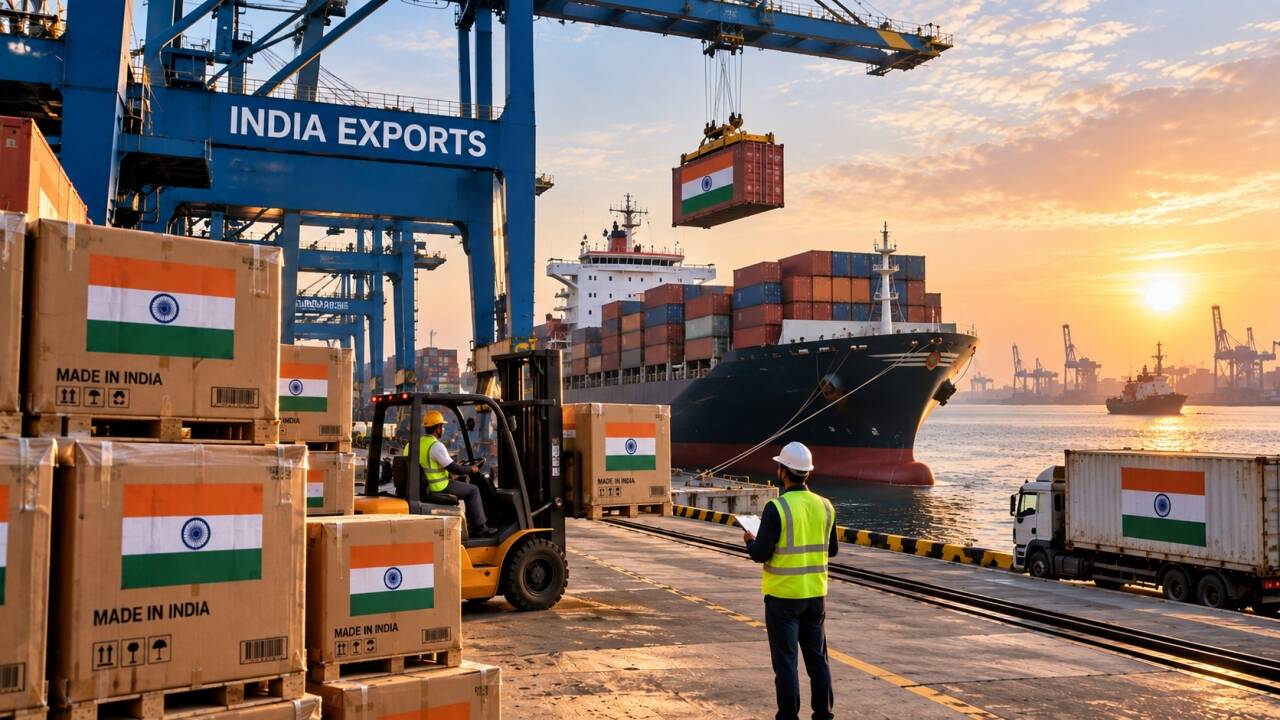
The persistent debate over national manufacturing strategy has reached an inflection point. Policymakers must confront the structural limitations of inward-looking industrial policies that rely heavily on subsidies rather than organic competitiveness. Without rigorous exposure to international trade pressures, domestic sectors risk stagnation, unable to match the efficiency and innovation cycles of global competitors. At the heart of this economic dilemma lies a fundamental tension between import substitution and export-led growth. While state incentives provide immediate support to domestic producers, they frequently create dependency and distort market signals. Industry stakeholders argue for a more disciplined approach that prioritizes infrastructure development, logistics optimization, and regulatory ease over direct fiscal interventions. The ultimate outcome of this policy debate will shape India's commercial trajectory for decades. If the state successfully transitions toward open-market integration, local enterprises could emerge as formidable global suppliers; conversely, prolonged protectionism risks isolating the domestic economy from international supply chains.
Comments 0