Industrialist Gautam Adani Advocates For Pragmatic Balance Between Decarbonisation And Power Affordability
Industrial leader Gautam Adani has emphasized that clean energy initiatives must remain economically viable and reliable for households and commercial enterprises. The call stresses the practical economic realities governing India's long-term green transition.
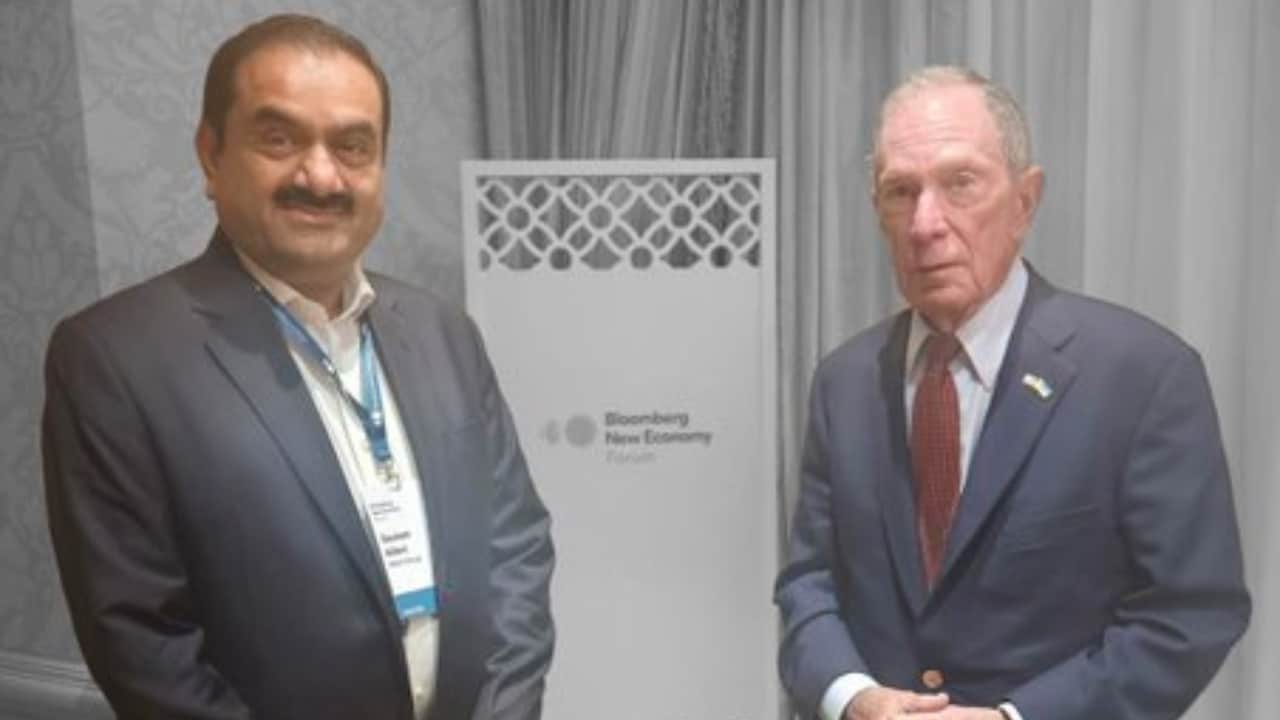
Speaking on national development paradigms, industrialist Gautam Adani underscored the imperative of synchronizing large-scale decarbonisation goals with the immediate necessity for affordable electricity. While acknowledging the urgency of global climate commitments, the industrial leader noted that energy transitions fail if basic power access becomes economically prohibitive for ordinary citizens and emerging manufacturing sectors. The perspective highlights the delicate balancing act required as developing economies navigate the phased retirement of conventional fossil fuel infrastructure.
Policy planners and energy conglomerates face ongoing structural challenges in modernizing electrical grids to handle intermittent renewable generation without triggering tariff shocks for industrial consumers. Financial markets are closely monitoring how major energy developers intend to fund massive grid upgrades while maintaining competitive pricing structures. Institutional investors increasingly demand clear operational pathways that reconcile environmental sustainability metrics with predictable long-term revenue yields.
Downstream consequences of this strategic vision include accelerated investments in domestic solar manufacturing, battery storage solutions, and decentralized microgrid networks across semi-urban landscapes. By prioritizing cost efficiency alongside carbon reduction, the industrial sector aims to prevent energy poverty from derailing broader economic expansion. Regulatory frameworks are expected to evolve in response, offering targeted incentives for enterprises that successfully integrate green power without compromising operational cost competitiveness.
Comments 0