Institutional Crisis at IIT Bombay Following Student Death and Allegations of Caste Discrimination
The tragic death of student Sahil Wakode has exposed deep institutional fractures as his family formally accuses a senior faculty member of casteist slurs. This incident triggers nationwide demands for systemic accountability within premier Indian scientific institutes.
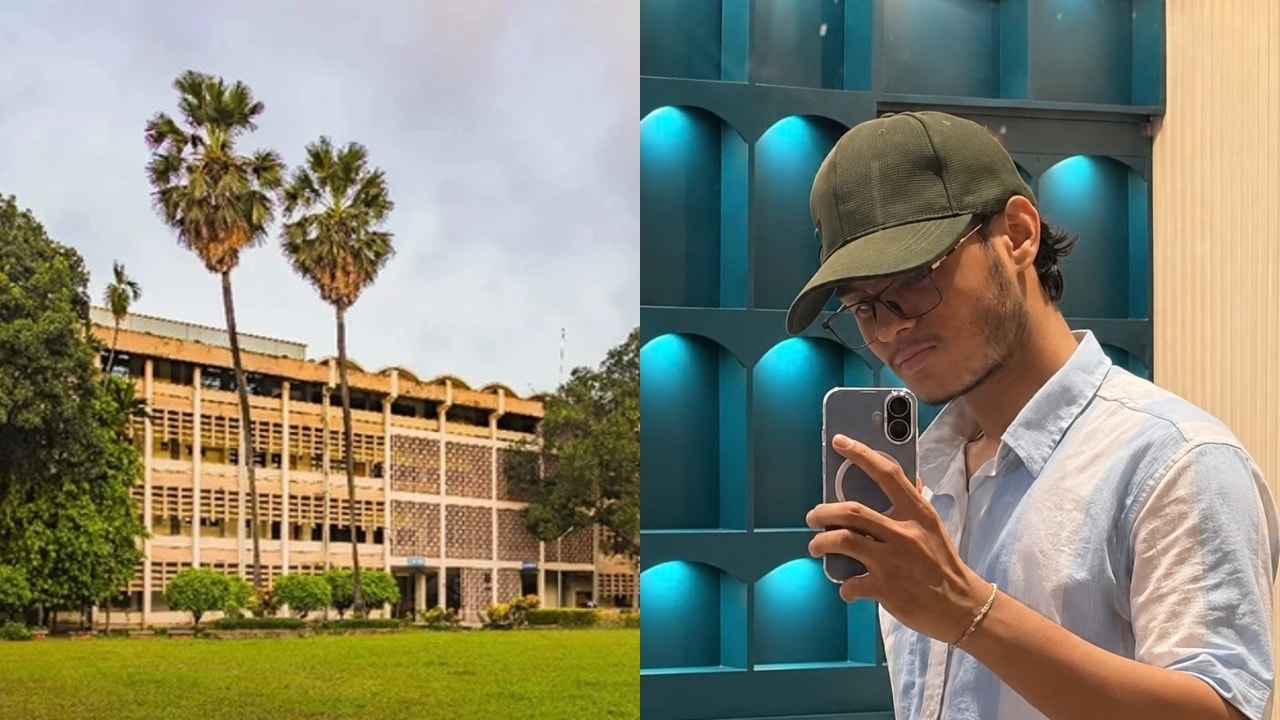
The halls of premier Indian scientific academies are once again reckoning with internal animus following the death of Sahil Wakode, a young scholar whose passing revealed persistent social divides. Public grief quickly transformed into intense scrutiny when the student's father came forward with specific allegations, pointing directly to Professor Suryanarayan Dulla for uttering targeted casteist slurs. The ensuing outcry pierced the academic bubble, forcing administrators to confront institutional failures that frequently alienate marginalized students. For decades, elite technological institutes have cultivated an aura of pure meritocracy while ignoring the subtle and overt prejudice operating within their departments. Faculty members occupy positions of absolute authority over grading, thesis approvals, and professional advancement, creating an environment where power imbalances easily turn toxic. When complaints of discrimination arise internally, administrative bodies routinely favor institutional reputation over transparent remediation, leaving vulnerable scholars without recourse. The immediate fallout forces university leadership to review grievance redressal mechanisms and reevaluate faculty accountability standards. Without structural intervention, these elite spaces risk permanent erosion of public trust and legal challenges that could dismantle their autonomous administrative privileges.
Comments 0