Institutional Grief and Accountability: The Sahil Wakode Tragedy Shakes IIT Bombay
The death of student Sahil Wakode at the Indian Institute of Technology Bombay has ignited furious campus protests, allegations of institutional caste bias, and a formal Crime Branch investigation. Family grief has transformed into a systemic indictment of elite academic environments and their handling of marginalized students.
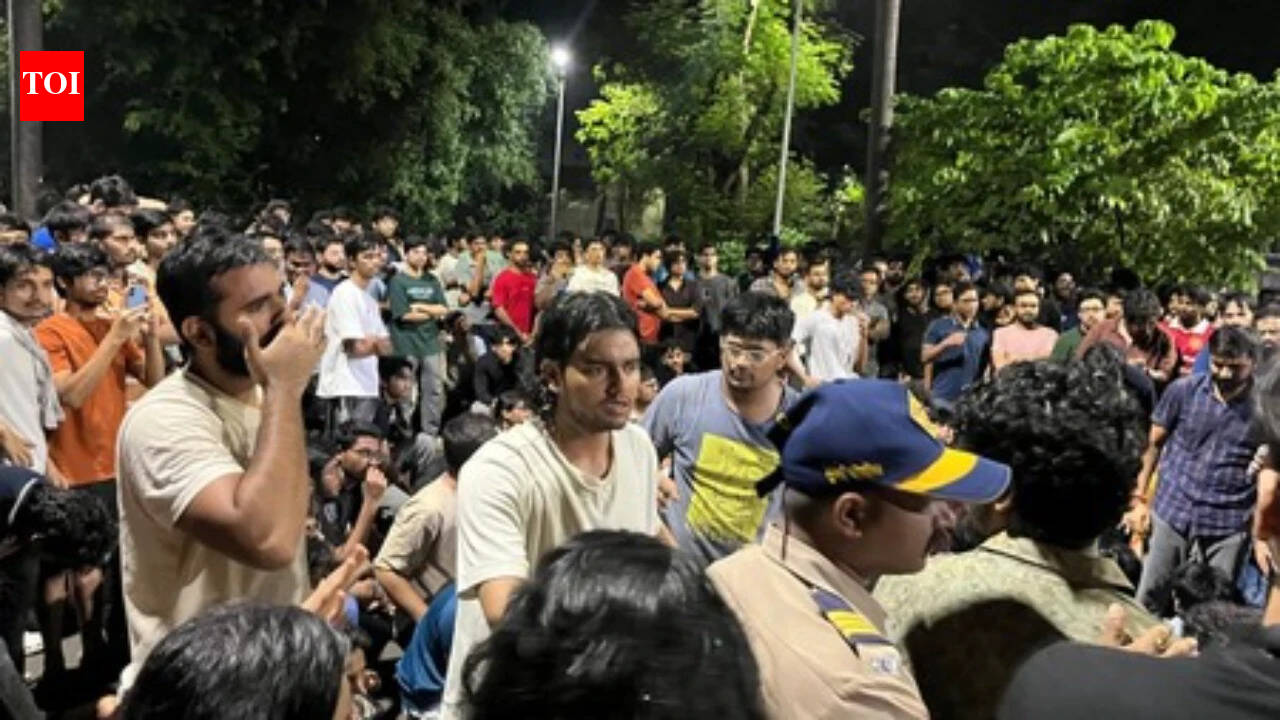
The serene corridors of one of the nation's premier technical institutions have been overshadowed by profound grief and public outrage. When Sahil Wakode lost his life under disputed circumstances, the initial administrative framing of suicide was met with fierce rejection from his family and student bodies. Relatives have openly challenged the official narrative, pointing to intense academic pressures and cultural alienation within the campus architecture. This tragedy exposes longstanding institutional friction concerning equity, mental health support, and caste dynamics inside elite Indian universities. Student collectives argue that administrative mechanisms often remain indifferent to the lived realities of scholars from diverse socio-economic backgrounds until catastrophic failures occur. The intervention of the Crime Branch signals a loss of trust in internal grievance redressal procedures, dragging judicial scrutiny into institutional hallways. As the investigation unfolds, the immediate casualties include the fragile reputation of administrative oversight and the psychological safety of vulnerable student cohorts. The systemic outcome will likely mandate independent ombudsmen across technical institutes, altering how disciplinary and pastoral care are administered nationwide.
Comments 0