Institutional Reckoning at IIT Bombay Following Tragic Student Death
Mass demonstrations erupted across the campus demanding structural accountability, systemic mental health overhauls, and the immediate resignation of leadership following the death of student Sahil Wakode. The tragedy has exposed deep fissures regarding institutional empathy and student welfare protocols within premier technical universities.
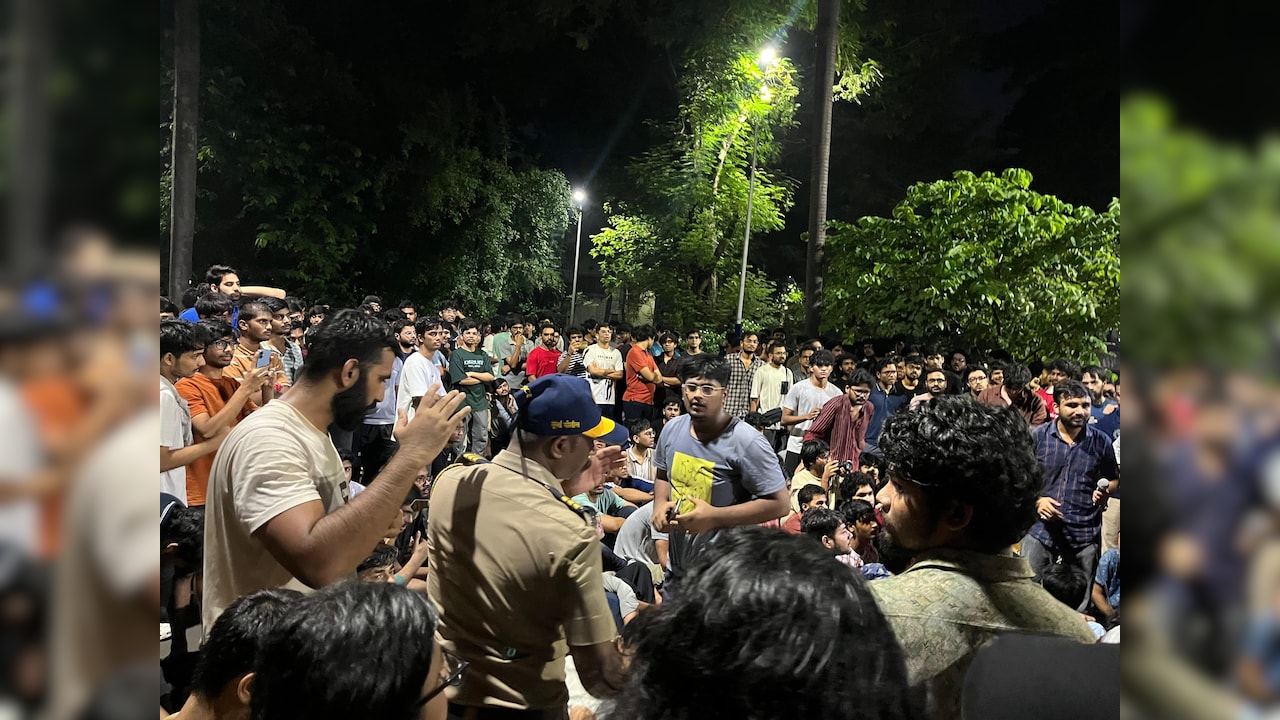
The sudden tragedy at the elite institution ruptured the carefully curated facade of academic excellence, laying bare the profound alienation experienced by marginalized student cohorts. Protesters gathered in massive numbers, demanding transparency, an independent judicial inquiry, and direct student representation in administrative decision-making bodies. The visceral anger directed at the director's office signals an irreversible breakdown of trust between the governing hierarchy and the student body. At the heart of the unrest lies systemic institutional friction, where relentless academic pressure collides with inadequate psychological infrastructure and entrenched social hierarchies. Critics point to long-standing administrative apathy toward caste discrimination and mental health distress as foundational failures that allow such tragedies to recur. The refusal of the administration to accept immediate moral responsibility has only intensified the resolve of the student collective, turning a localized mourning period into a nationwide debate on higher education ethics. Downstream casualties of this crisis extend far beyond immediate administrative personnel, threatening the institutional prestige and recruitment metrics of the engineering hub. Unless systemic policy revisions are codified into binding operational mandates, premier Indian campuses will continue to environments of high attrition and profound psychological hazard. The ultimate outcome hinges on whether regulatory bodies impose structural reforms or permit institutions to merely issue superficial apologies.
Comments 0