Institutional Retaliation: IITs Blacklist Twenty-Two Corporate Recruits After Mass Job Revocations
Engineering institutions across India have collectively barred twenty-two companies from campus placements for two years following the unceremonious revocation of over one hundred fifty job offers. This unprecedented administrative penalty disrupts standard recruitment pipelines and imposes severe hiring restrictions on multinational corporations operating within the subcontinent.
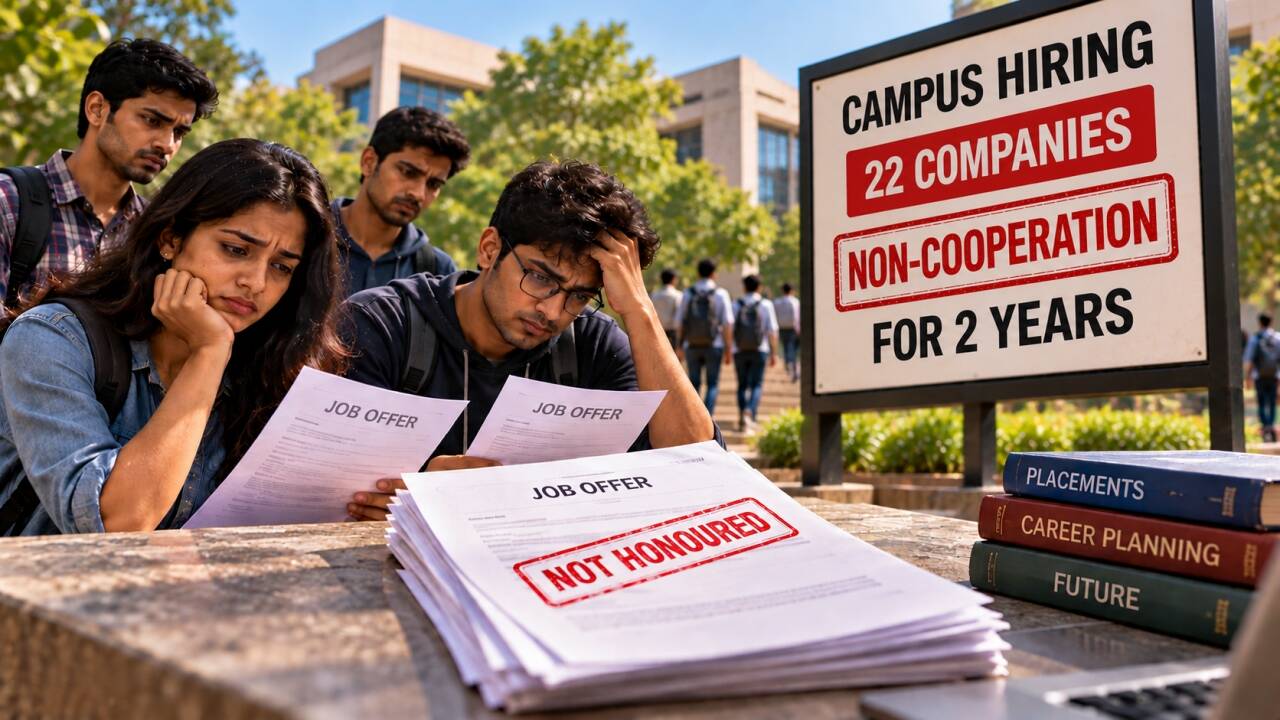
The joint decision by the premier engineering institutes marks a stark departure from decades of deferential corporate placement practices. When corporations such as Oracle and other multinational entities rescinded upwards of forty confirmed job placements meant for graduating engineers, the academic leadership faced an immediate credibility crisis among anxious student bodies. By enforcing a strict two-year recruitment ban on these twenty-two offending employers, the placement cells have signaled that institutional prestige carries protective weight against corporate volatility. Beneath this disciplinary measure lies a deepening tension between academic institutions and volatile market cycles that prioritize short-term cost-cutting over binding contractual commitments. Placement directors have long accommodated corporate adjustments during economic downturns, yet the sheer volume of sudden revocations crossed a threshold of institutional tolerance. The administrative friction highlights the vulnerability of young graduates entering an oversupplied labor market, where verbal and written offers serve as flexible instruments rather than legally or morally binding employment contracts. Downstream casualties of this standoff extend directly to the upcoming cohorts of engineering students who must now navigate a significantly constricted employment ecosystem. Affected firms face substantial reputational damage and diminished access to elite technical talent pools across the country, forcing them to rely on expensive lateral hiring channels. Meanwhile, the governing councils of these technical institutes are drafting rigid escrow-style accountability frameworks to insulate future graduating classes from unilateral corporate retractions.
Comments 0