Hormuz Chokepoint Paralysis as Commodity Tanker Transits Collapse to Single Digits
Only nine commodity carriers navigated the Strait of Hormuz on Thursday, marking an unprecedented constriction of global maritime energy corridors. The dramatic drop in vessel transit threatens immediate supply chain shocks for international crude markets.
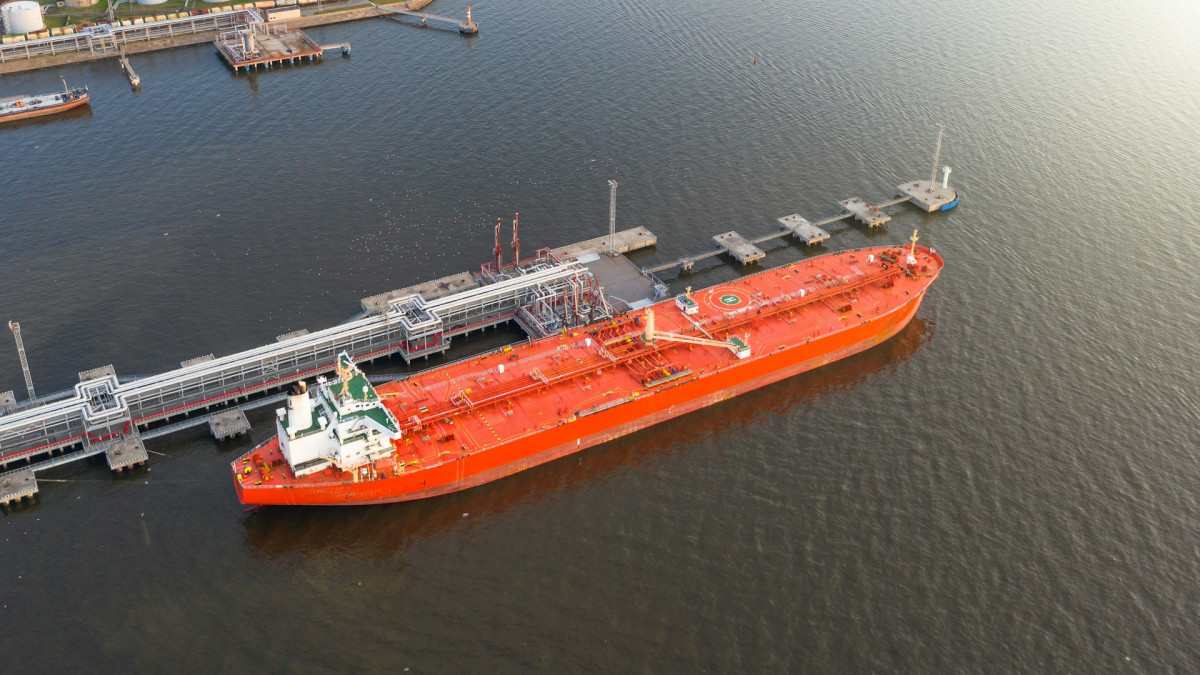
Global energy logistics experienced an acute rupture this week when maritime traffic through the Strait of Hormuz plummeted to a mere nine vessels. Out of this total, eight ships were recorded frantically exiting the vital waterway rather than entering, signaling a near-total cessation of normal commercial navigation. This sudden evacuation underscores the severity of ongoing regional hostilities that have transformed one of the world's primary petroleum arteries into an active zone of extreme hazard. The underlying tension stems from escalating security threats and the rising cost of maritime insurance for vessels transiting Middle Eastern waters. Shipowners and operators are increasingly unwilling to risk multi-million-dollar assets and crew safety amid persistent attacks and threats of interdiction. International maritime authorities have struggled to establish protective escorts, leaving commercial actors to unilaterally suspend operations and reroute cargo around the African cape, adding weeks to transit times. The downstream casualties of this transit freeze are immediate and far-reaching for energy importing nations across Asia and Europe. Refineries face imminent feedstock shortages, while spot market prices for crude and liquefied natural gas surge in response to restricted supply flows. Within twelve months, this logistical bottleneck is projected to institutionalize permanent structural premiums in global energy shipping costs and accelerate national strategies for strategic petroleum reserve accumulation.
Comments 0