Internal Fractures and Strategic Realignments Within the Bahujan Samaj Party
Akash Anand has issued a public appeal reaffirming his allegiance to Mayawati and the Bahujan Samaj Party following his sudden exit and reinstatement struggles. This political maneuver highlights deep generational tensions and leadership succession battles within India's Dalit political movement.
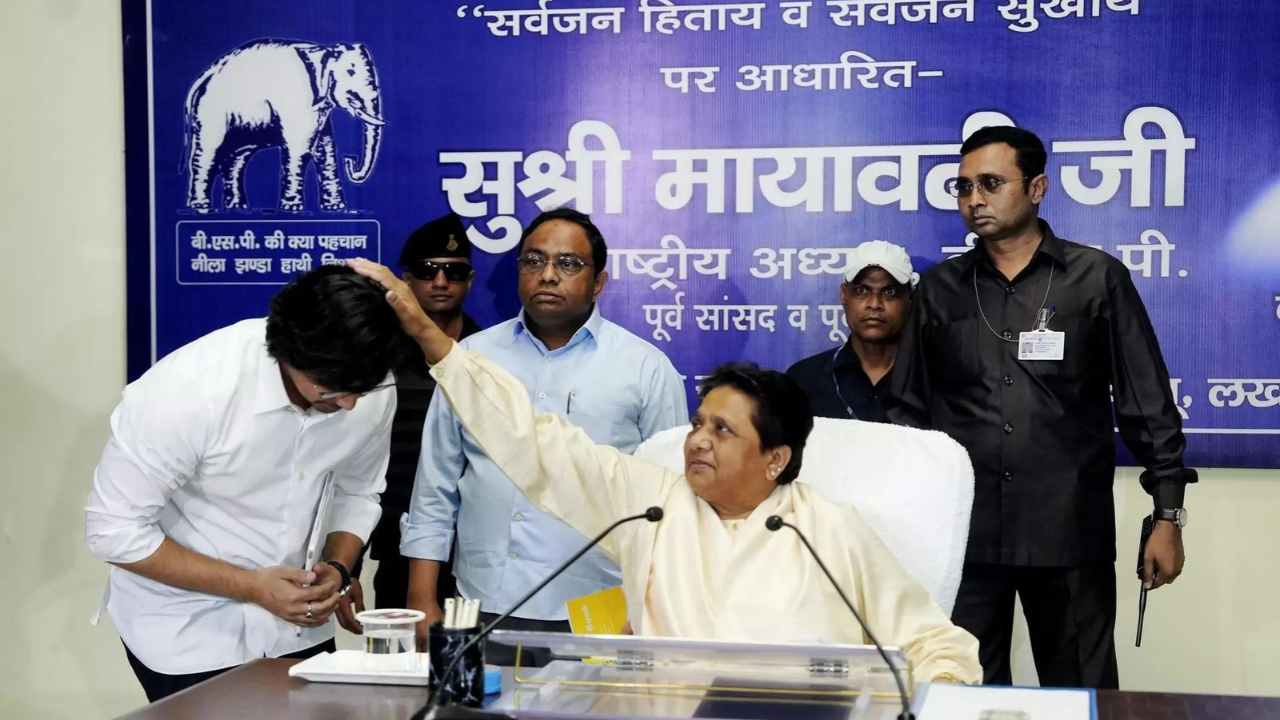
The political of Uttar Pradesh experienced a jolt as Akash Anand navigated his dramatic exit and subsequent appeals to the party matriarch. By publicly declaring the organization as his family, Anand seeks to mend fractures that threaten to alienate younger voter bases. His outreach underscores the high stakes of succession planning within a major political machinery built upon decades of social engineering. Beneath this public display of loyalty lies an intense internal struggle over ideological direction and organizational control. Traditional party loyalists often resist rapid modernization, creating friction with younger factions eager to alter campaign strategies. Mayawati's authority remains absolute, yet the party must balance dynastic continuity with the demands of an evolving electoral demographic. The tangible consequence of this internal realignment is either a consolidated opposition or a fractured vote bank in upcoming electoral cycles. If leadership reconciles effectively, the party may recapture disillusioned youth; otherwise, marginalized communities risk losing a unified legislative voice. The outcome of this reconciliation defines the future of regional politics in northern India.
Comments 0