Interrogating the Shadows of Caste and Governance at IIT Bombay
A public intervention by political commentator Sudheendra Kulkarni has reignited intense debate surrounding the application of the Scheduled Castes and Scheduled Tribes Atrocities Act within premier academic institutions. Following a tragedy at the Indian Institute of Technology Bombay, the debate brings administrative accountability and legal protections into sharp friction.
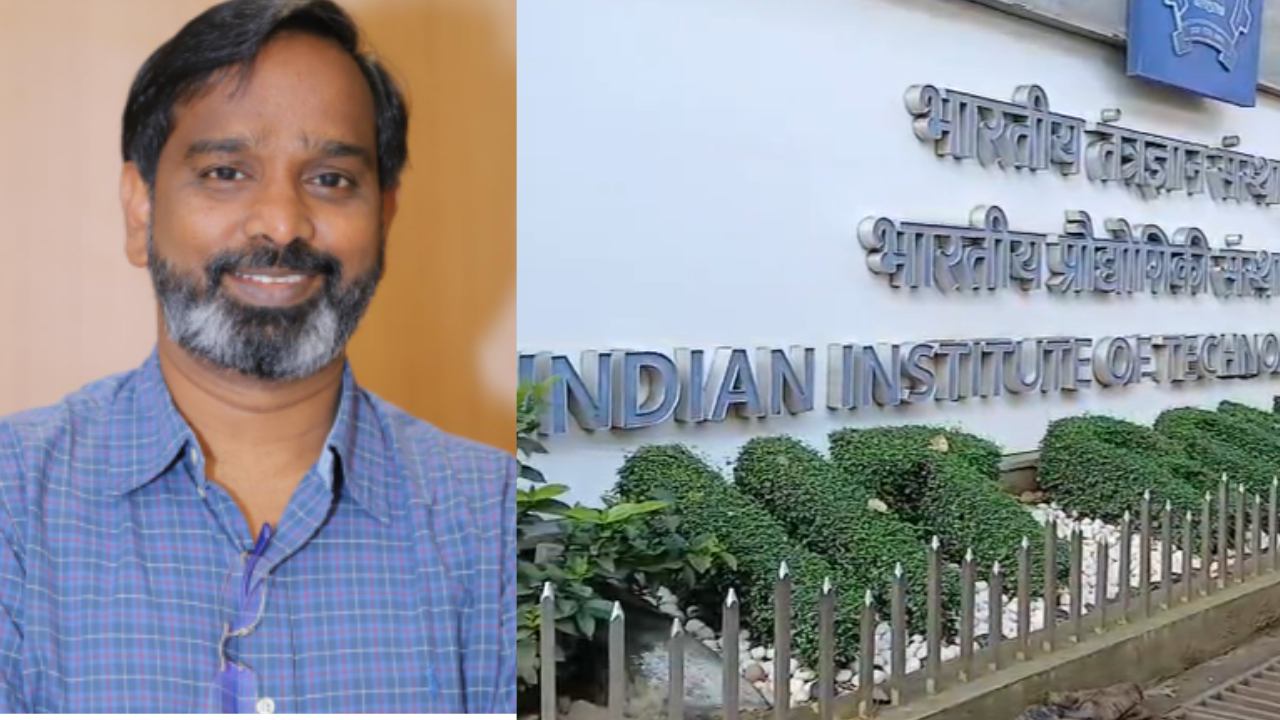
The tragic suicide of a student at the Indian Institute of Technology Bombay has escalated from an institutional tragedy into a fierce constitutional dispute. Political writer and former presidential advisor Sudheendra Kulkarni intervened in the matter, calling for an impartial investigation into the circumstances while warning against the indiscriminate application of statutory provisions against faculty members. The immediate focus centers on Professor Suryanarayana Doolla, whose academic directives and professional conduct have come under heavy police scrutiny following accusations framed under anti-atrocity legislation. This conflict exposes long-simmering friction between India's affirmative action statutory protections and the administrative autonomy of elite technical institutes. Academic faculties across the nation increasingly report an environment constrained by legal vulnerability, where routine administrative decisions regarding academic performance risk triggering criminal charges. Conversely, student rights advocates maintain that penal provisions remain the sole defense against entrenched social discrimination and systemic marginalization within rigorous academic environments. The immediate outcome of this impasse threatens to paralyze internal academic governance across premier technology centers. University departments face heightened administrative risk, with faculty members hesitating to enforce strict academic discipline or evaluate student performance without extensive legal counsel. As judicial authorities review the police filings, the case establishes a potent precedent that will shape how educational leaders balance rigorous academic standards against statutory civil rights protections across the country.
Comments 0