Iran and Oman Navigate Maritime Security as Tanker Attacks Escalate in the Strait of Hormuz
Foreign ministers from Iran and Oman have engaged in talks to secure the Strait of Hormuz amid a surge in tanker attacks. This diplomatic maneuvering aims to prevent a broader regional conflict that could disrupt global energy supplies and destabilize international trade routes.
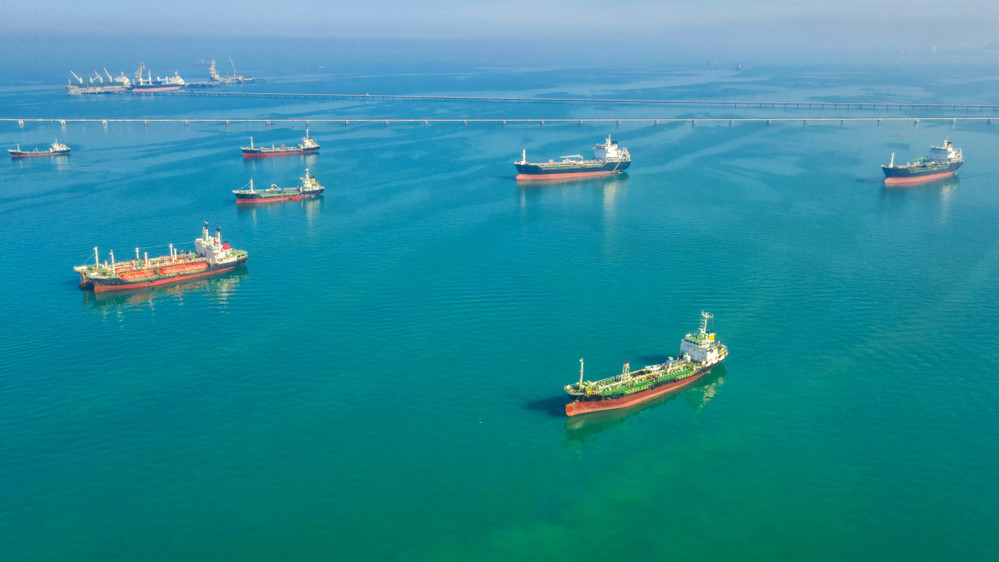
The concrete rupture is the intensification of maritime insecurity in the Strait of Hormuz, a critical chokepoint for global oil and gas shipments. The surge in tanker attacks has prompted Iran and Oman to hold high-level talks, signaling a shift from passive observation to active diplomatic engagement. The immediate shockwave is a heightened sense of urgency among global energy markets, where the threat of supply disruption has already begun to influence pricing and shipping insurance rates. This development underscores the fragility of maritime security in a region prone to geopolitical volatility.
The underlying tension stems from the competing interests of regional powers and the global community. Iran seeks to leverage its geographic position to exert influence, while Oman, as a neutral mediator, aims to maintain stability and protect its own economic interests. The institutional friction is evident in the differing approaches to security: Iran favors a regional solution that acknowledges its security concerns, while the international community pushes for a multilateral framework that ensures free navigation. This friction is compounded by the presence of external actors, such as the United States, whose naval presence in the region adds another layer of complexity.
The downstream casualties include global energy security and the economic stability of nations dependent on Middle Eastern oil. If the talks fail to produce a lasting security arrangement, the risk of a broader conflict increases, potentially leading to a significant spike in energy prices and a global economic downturn. The tangible outcome is a renewed focus on maritime security infrastructure and the need for international cooperation to secure vital trade routes. This situation may also accelerate the development of alternative energy sources and trade routes, reducing the long-term dependence on the Strait of Hormuz.
Comments 0