Iraq’s Oil Exports Near Pre‑War Levels, Averaging 3.4 Million Barrels per Day
Iraq reported an average export of 3.4 million barrels per day in October, a volume that closely approaches the output recorded before the 2003 conflict. The surge reflects the Ministry of Oil’s aggressive push to restore production capacity across the country’s fields.
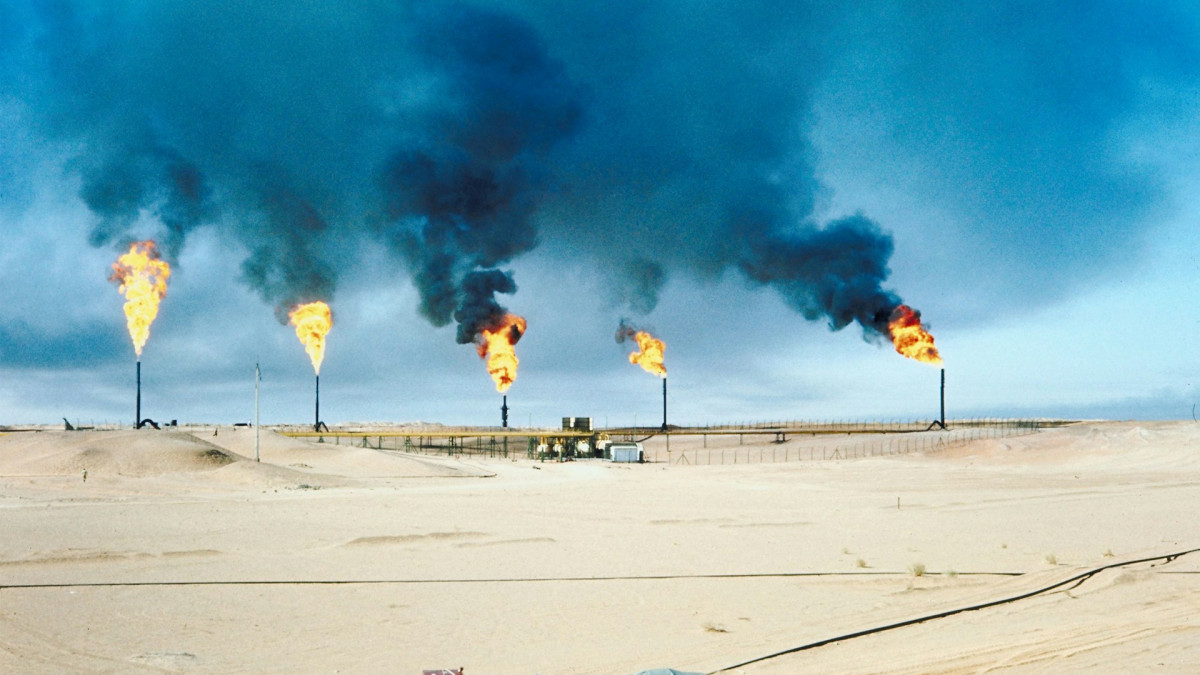
The concrete rupture of Iraq’s oil resurgence was marked by a statement from Oil Minister Bassem Mohammed Khudair, who told the state news agency INA that daily exports have consistently hovered around 3.4 million barrels throughout October. This figure aligns with the 3.3‑3.5 million barrels per day range that the nation achieved prior to the 2003 war, indicating a significant rebound after years of volatility and infrastructural damage. The ministry attributes the recovery to renewed investment in field rehabilitation and the successful negotiation of export contracts with major buyers.
Underlying tension lies in the geopolitical and economic pressures that have historically constrained Iraq’s oil sector. Regional rivalries, internal political fragmentation, and fluctuating global oil prices have all posed challenges to sustained output growth. Nevertheless, the current trajectory suggests that the government’s strategy of diversifying export routes and securing foreign technical assistance is bearing fruit, even as it navigates sanctions and market uncertainties.
Downstream casualties are likely to be felt across the global energy market, where Iraq’s increased supply could temper price spikes and influence OPEC‑plus production decisions. Domestically, higher export revenues may bolster public finances, enabling greater fiscal space for infrastructure projects and social programmes. However, the rapid scale‑up also raises concerns about environmental oversight and the long‑term sustainability of oil‑dependent growth models.
Comments 0