Iraq’s Oil Revenues Surge Amid Red Sea Export Strategy
Iraq has witnessed a sharp rebound in oil earnings as it redirects shipments through a newly negotiated Red Sea corridor. The shift alters regional trade dynamics and pressures neighboring exporters.
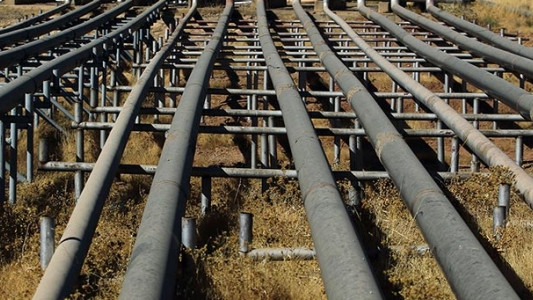
In the wake of heightened geopolitical tension in the Persian Gulf, Iraq has reoriented a portion of its crude exports to transit via the Red Sea, bypassing traditional chokepoints that have become vulnerable to disruption. The new route, facilitated by agreements with port authorities in Saudi Arabia and Egypt, has enabled Iraqi producers to maintain flow rates despite sanctions and aerial threats targeting the Strait of Hormuz. Early estimates suggest that the redirection has added several hundred million dollars to the nation’s monthly oil receipts.
The strategic pivot carries implications for regional energy markets, as rival exporters such as Saudi Arabia and the United Arab Emirates monitor Iraq’s maneuver for potential spillover effects on pricing and market share. Analysts note that the Red Sea corridor offers Iraq a degree of logistical flexibility, but also exposes it to new security considerations, including piracy and the need for naval escorts. Moreover, the arrangement may influence the calculus of OPEC’s production quotas, as Iraq’s ability to sustain higher export volumes could affect collective output decisions.
Domestically, the influx of oil revenue is expected to bolster the government’s fiscal position, allowing for increased spending on infrastructure, public services, and debt servicing. However, critics warn that reliance on a single commodity remains a structural vulnerability, urging diversification of the economy. Over the coming months, the sustainability of the Red Sea route will be tested by seasonal shipping patterns and the evolving diplomatic in the Middle East.
Comments 0